Spirit Landspoured: OuzoGreece (North Aegean)
Ouzo on Lesbos: Anise and the Aegean
In Plomari, ouzo turns milky with water or ice, then joins the slow company of mezedes, island-grown anise, poets, and petrified forest.
Water meets ouzo, and the drink turns milky white. Anise oils come out of solution when water or ice is added. The change is brief, but it gives the glass a quiet centre. On Lesbos, that pause belongs to a drink with deep local roots.
| Drink | Ouzo |
|---|---|
| Region | Greece (North Aegean) |
| Place | Plomari, Lesbos |
Plomari
Plomari sits on the south coast of Lesbos. Across Greece, it is widely known as the ouzo capital. The title sounds large; the drink’s customary pace is small. In Greece, ouzo is usually drunk slowly, with mezedes beside it. These are small plates of food, not a backdrop to hurry past. Each mouthful gives the afternoon another modest measure. A table becomes a way of keeping time.
Ouzo’s colour changes with the addition of water or ice. That milky turn makes the drink’s anise presence visible. The anise itself grows around Lisvori, a village on Lesbos. The island’s drink and its crop share the same ground. The distance between field and table feels short, even in thought.
A measured glass has its own kind of ceremony. A related mood appears in tulip glasses and copper coffee pots, while ouzo keeps company with small plates. Its slow pace asks for no grand occasion. A long afternoon is enough of a frame.
The island
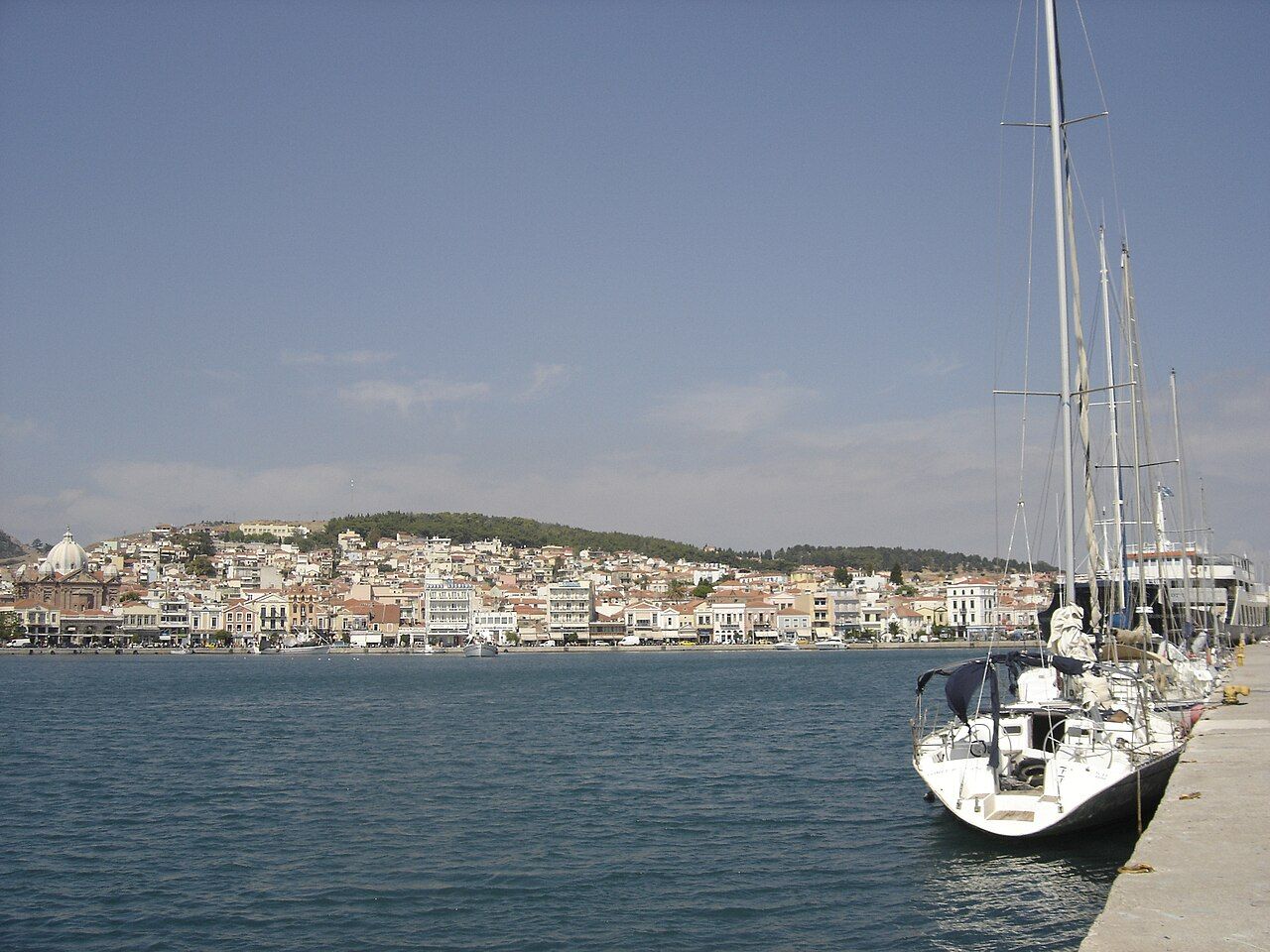
Lesbos is Greece’s third-largest island, with Mytilene as capital and main port. The island also carries the name of Sappho, the ancient poet born there. Her presence makes the place feel less like a single story. Ouzo belongs to the present tense of a table; poetry gives the island another register.
Near Sigri, the Petrified Forest of Lesbos forms part of a UNESCO Global Geopark. The name changes the scale of the view, from a small plate to a landscape held in stone. Plomari’s drink, Lisvori’s anise, and the forest mark different kinds of island time. One is poured and shared; another stands near Sigri. Between them, Lesbos holds both an afternoon’s ease and a long past.
Ouzo turns white, the plates empty slowly, and the island keeps its silences. What else might Lesbos reveal between the glass and the shore?
Images on this page: Kalogeropoulos (Creative Commons BY-SA 3.0); MSeses (Creative Commons BY-SA 4.0); Tichnor Bros. Inc., Boston, Mass (public domain) original; sourabh.biswas (Creative Commons BY-SA 4.0).