Spirit Landspoured: BourbonUSA (Kentucky)
Bardstown and the Making of Bourbon
Bardstown holds bourbon’s rules, history and local landmarks together, from Federal Hill to a festival that returns each September.
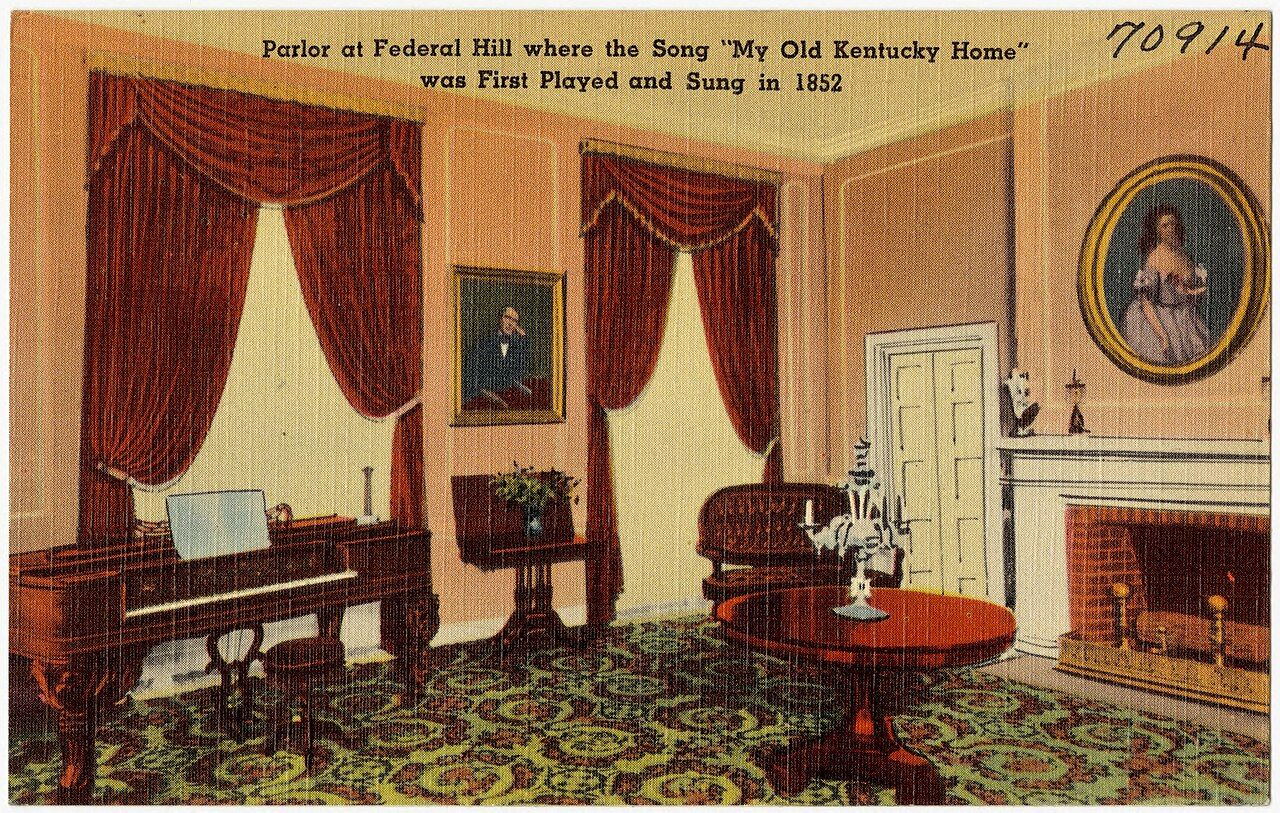
At Federal Hill, a house anchors Bardstown’s bourbon story. My Old Kentucky Home State Park centres on the hill. The house is linked to Stephen Foster’s song. A place, a song and a spirit meet here, without becoming the same story.
| Drink | Bourbon |
|---|---|
| Region | USA (Kentucky) |
| Rule | At least 51 percent corn; new charred oak containers |
| Festival | Each September in Bardstown |
The rules
Bourbon begins with a definition precise enough to travel. It must be made in the United States. Its mash must contain at least 51 percent corn. It must age in new charred oak containers. Those requirements give the spirit a firm outline. The outline is legal, but it also shapes its identity.
In 1964, the US Congress declared bourbon a distinctive product of the United States. The declaration placed a national frame around a drink rooted in Kentucky. Bardstown, about 40 miles south of Louisville, sits inside that story. It calls itself the Bourbon Capital of the World. The claim has a confident ring, while the rules carry their own quieter authority.
The rule about oak is especially direct. It specifies new containers, and specifies charred oak. There is little room in that wording for flourish. The corn requirement is equally plain. Together, these conditions make bourbon more than a broad label for whiskey. They set a boundary around what the name means.
Bourbon’s rules give Bardstown’s story a firm outline. The sentence could almost be a label, simple and declarative. Yet the town’s story is not only a set of requirements. Water, a house, a museum and a festival each bring another register. They make the definition feel local without changing its terms.
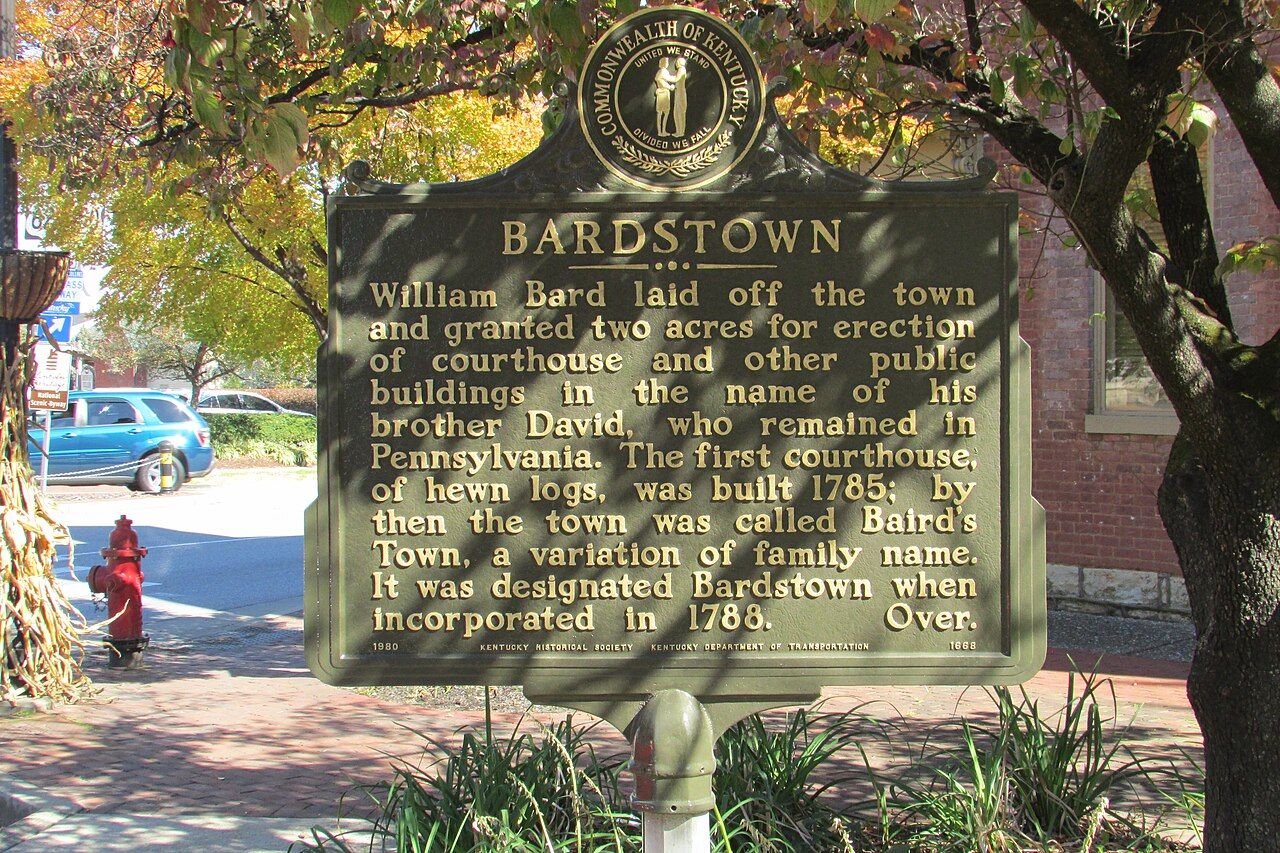
Bourbon’s rules give Bardstown’s story a firm outline.
Water and memory
Kentucky’s limestone-filtered water has long been prized for whiskey making. It is rich in calcium and low in iron. These details offer a different kind of explanation from the federal definition. One draws a boundary through ingredients and containers. The other describes a resource valued over time.
The Oscar Getz Museum of Whiskey History occupies historic Spalding Hall in Bardstown. Its name gathers a wide subject into a specific address. Whiskey history is larger than bourbon’s legal definition. The museum’s subject leaves room for that larger field. Its place in Bardstown keeps the town close to the centre of the telling.
There is a modest pleasure in the contrast. A rule can be counted, and a name can be defended. History has less tidy edges. A museum devoted to whiskey history sits alongside a spirit defined by precise conditions. The difference lets Bardstown’s story hold both explanation and remembrance.
My Old Kentucky Home State Park brings another kind of memory forward. The park centres on Federal Hill, and its house is linked to Stephen Foster’s song. The link is enough to give the place a cultural note. It also widens the frame beyond bourbon alone. Bardstown’s story has more than one tune.
The Basilica of St. Joseph Proto-Cathedral adds a further point of history. It was the first Catholic cathedral west of the Allegheny Mountains. That distinction belongs to Bardstown, though it tells a different story from whiskey. A town’s identity rarely keeps to one subject. Here, the bourbon account shares space with another historic first.
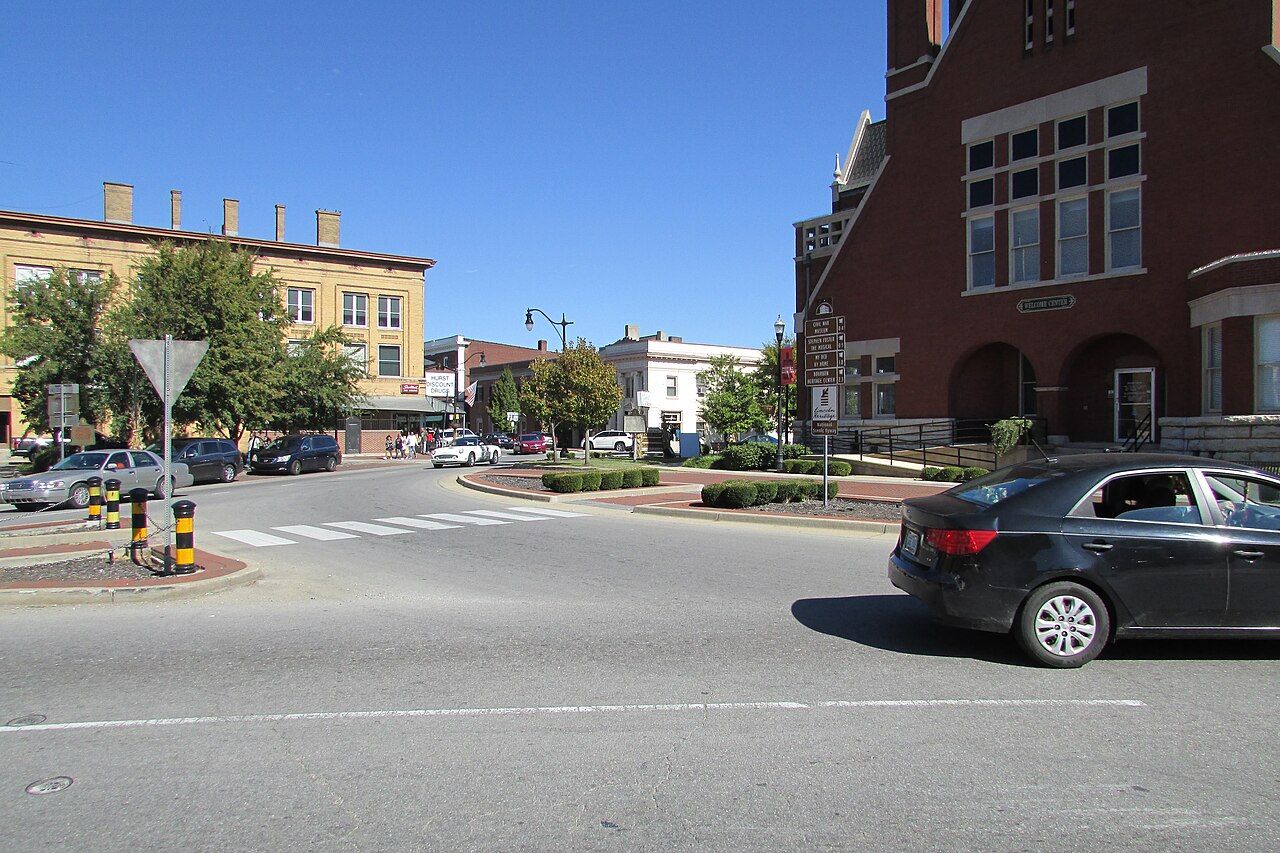
A town of bourbon
Bardstown calls itself the Bourbon Capital of the World, while Kentucky produces the great majority of the world’s bourbon. Those claims meet at different scales. One belongs to a town’s chosen identity. The other describes Kentucky’s share of global production. Neither needs to stand alone to make the place feel central.
Every September, the Kentucky Bourbon Festival is held in Bardstown. Its calendar gives the town a recurring point of gathering around bourbon. The festival’s name ties the spirit to Kentucky. Its location gives Bardstown a particular place in that association. A season, a town and a drink gather in one simple fact.
Bardstown’s position is not only a matter of its own title. Kentucky produces the great majority of the world’s bourbon. The town lies about 40 miles south of Louisville, within the state named in the region’s identity. Geography, production and civic pride meet here without quite collapsing into one claim.
Bourbon’s origin story differs from the island long called rum's birthplace. The contrast stays useful, not competitive. Spirits gather histories in different places, and their names carry those histories forward.
Bardstown’s account moves between definition and place. Congress named bourbon distinctive in 1964. Kentucky’s water has long been prized for whiskey making. A park, a museum and a festival give that history local forms. The facts keep their separate edges, like the notes in a short song.
Still, bourbon gives these places a shared centre of gravity. The town claims its capital title, and the festival returns each September. Kentucky’s production gives the claim a larger setting. The rules explain what bourbon must be. What, then, makes Bardstown feel like its capital?
Images on this page: Tichnor Bros. Inc., Boston, Mass (public domain) original; Chris Light (Creative Commons BY-SA 4.0); Chris Light (Creative Commons BY-SA 4.0); Kalogeropoulos (Creative Commons BY-SA 3.0); Juan Carlos Fonseca Mata (Creative Commons BY-SA 4.0); sourabh.biswas (Creative Commons BY-SA 4.0).