Spirit Landspoured: TequilaMexico (Jalisco)
Blue Agave Country Around Tequila
A volcano rises above Tequila, where blue agave fields mark a UNESCO landscape and the plant’s long growth meets the spirit’s measured ageing.
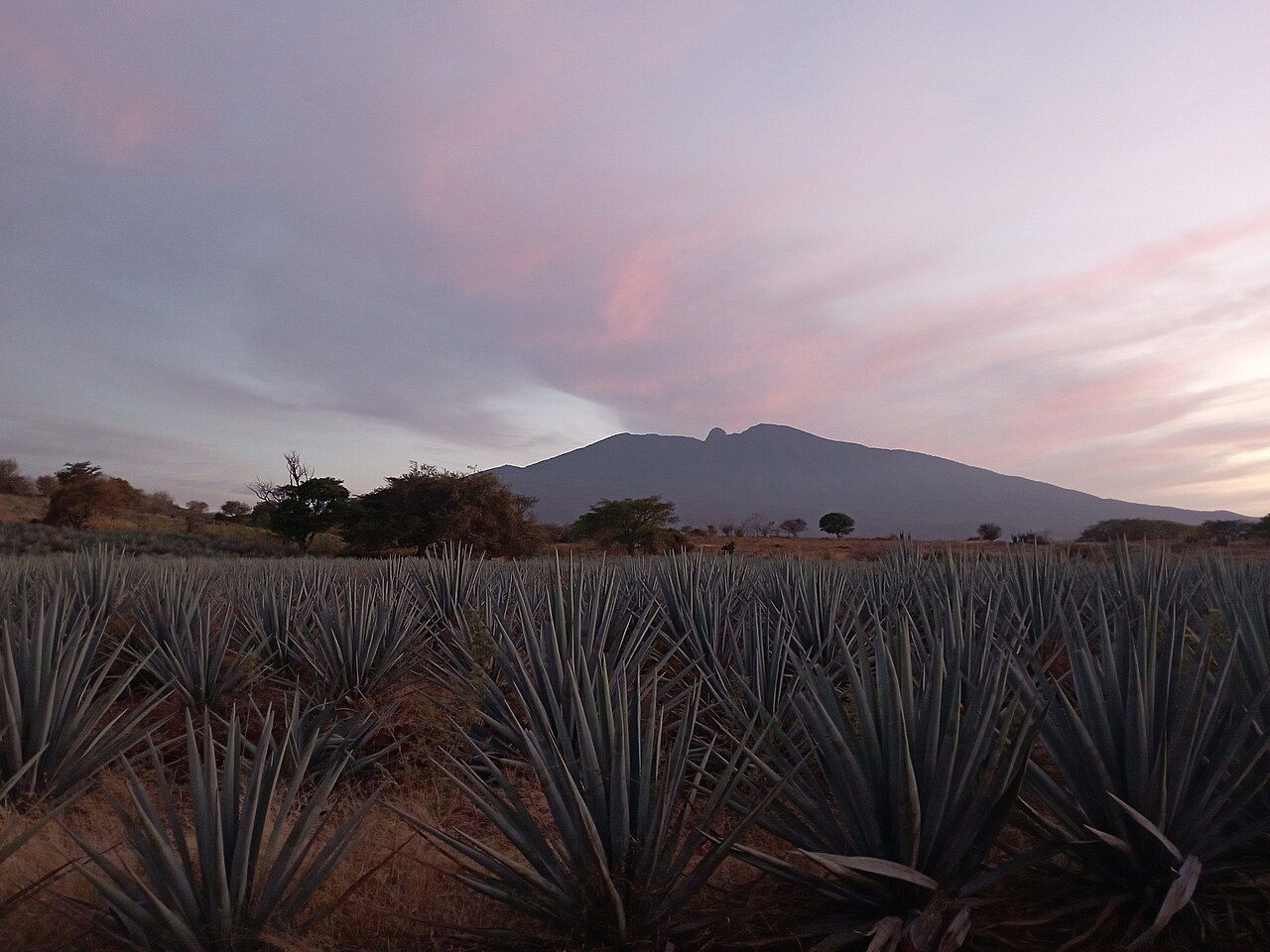
Above Tequila, the volcano rises to nearly three thousand metres. Below it, blue agave gives the landscape its defining plant. The town and its fields hold two clocks: the plant’s years, and the spirit’s time in oak.
| Place | Tequila, Jalisco, Mexico |
|---|---|
| Landscape | UNESCO recognition, 2006 |
| From Guadalajara | About 60 km northwest |
The landscape
The name belongs both to a town and a spirit. Tequila also names the blue agave country gathered around it. The Agave Landscape and Ancient Industrial Facilities of Tequila received UNESCO recognition in 2006. That inscription gives the landscape a frame beyond the town’s name.
Here, the plant is not a decorative detail. Tequila is made from blue agave, Agave tequilana. Its presence connects the fields to the drink, while the volcano gives the town a clear measure of scale. The landscape holds the first part of the story in plain view.
Tequila lies about 60 kilometres northwest of Guadalajara. The volcano rises above town, nearly three thousand metres high. Those details place the story between settlement and slope. The agave fields are not separate from that setting; they are part of the named landscape.
The town was named a Pueblo Mágico by Mexico’s tourism ministry in 2003. The title sits alongside a deeper agricultural and industrial history. At the town centre, the National Museum of Tequila tells the history of the spirit. Its subject begins with a plant that takes years to grow.
The plant
A blue agave usually grows for six years or more before harvest. That wait belongs to the plant, not the bottle. It is a patient measure, written into the field before any age label appears. The spirit’s own clock starts on another scale.
Field workers called jimadores cut away the agave leaves with a flat blade. The blade is called a coa. Their harvest is the heart, known as the piña. The names are spare and practical: tool, worker, centre of the plant.
The piña makes the connection between agave and tequila tangible. The plant is the spirit’s source; the heart is what the workers harvest. That is the clear hinge in the story. The field’s long growth leads to a harvested centre, then to tequila.
There is a pleasing contrast in those clocks. A plant may spend six years or more growing before harvest. The spirit’s labels, by comparison, describe shorter or longer rests. One measure belongs to the living plant; another belongs to oak.
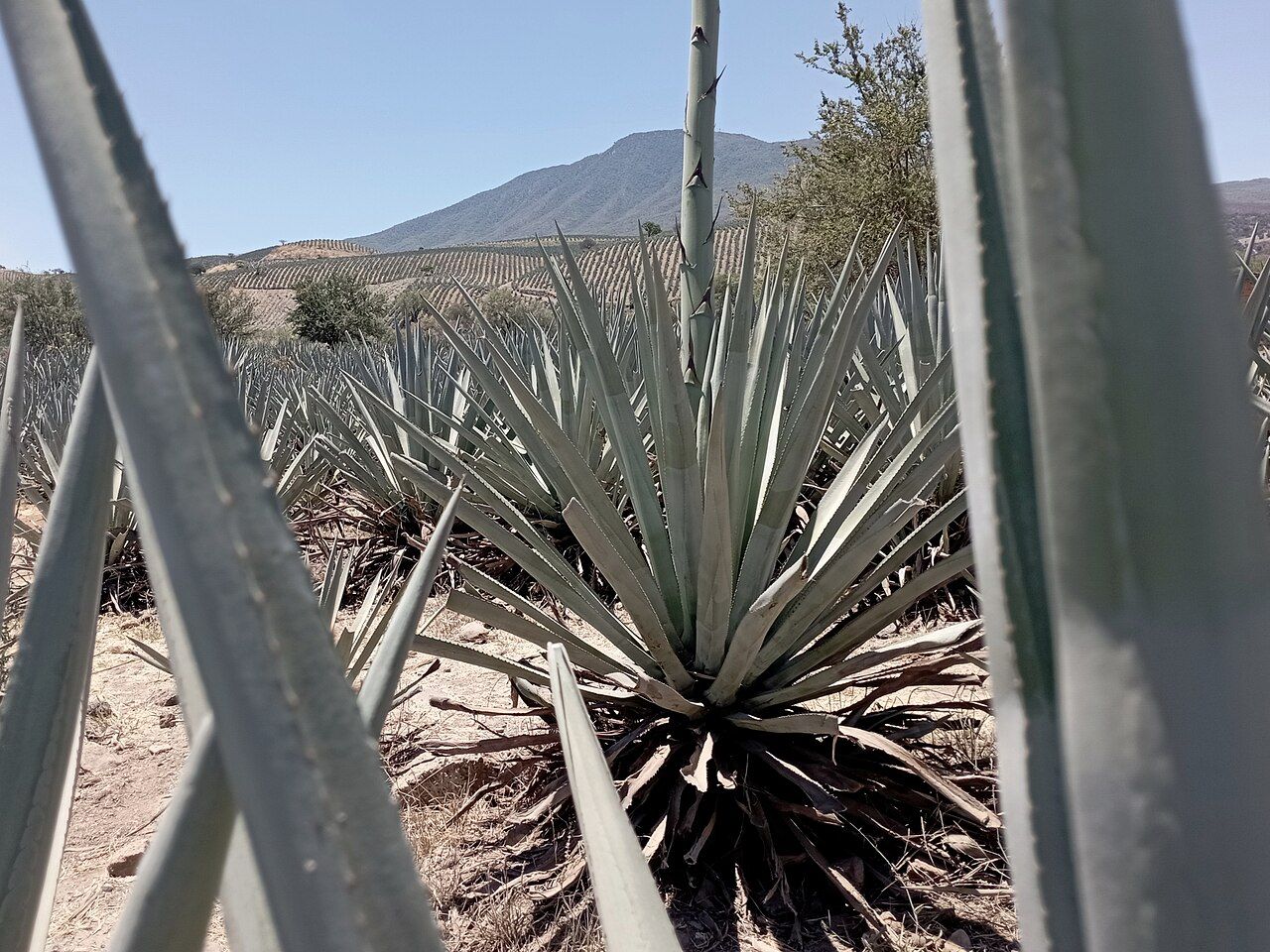
The plant and the spirit keep separate clocks.
The plant and the spirit keep separate clocks.
The spirit
The Denomination of Origin for tequila was set in 1974. It covers Jalisco and parts of Guanajuato, Michoacán, Nayarit and Tamaulipas. Tequila the town gives the drink its name, but the denomination reaches beyond the town. Its geography is broader than this single view.
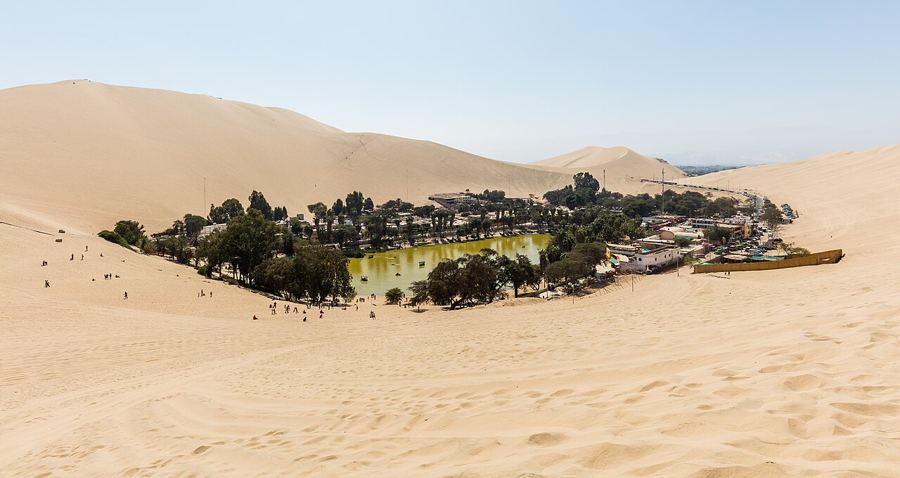
Tequila also stands in a wider world of named spirits. Its starting plant differs from Peru's desert grape brandy, a useful reminder that a spirit’s source shapes its story. Here, the source is blue agave, harvested as a piña by jimadores.
The age terms mark time after the plant has become tequila. Blanco is bottled unaged or rested for under two months. Reposado is aged in oak for two to twelve months. Añejo is aged in oak for one to three years.
The labels do not measure how long the agave grew. They describe what follows, in the language of time and oak. Blanco can have no ageing, or a short rest. Reposado carries a measured span in oak; añejo carries a longer one.
Those distinctions are useful because they stay precise. The plant’s six years or more are not the same clock as reposado’s months. Nor are they the same as añejo’s years. The names keep separate stages from being blurred together.
At the edge of the fields, the volcano remains the larger marker. The town’s title, the museum and the UNESCO inscription all add their own layers. Yet the agave keeps the story grounded, with a long growth and a harvested heart.
Before tequila became the spirit named by its region, the slopes held another kind of work. Pre-Hispanic peoples of the area worked obsidian found on the Tequila volcano. The detail places human making on these slopes across a deeper history.
Agave and obsidian are different materials, but both belong to this landscape’s record of work. One is the source of a spirit; the other was worked on the volcano’s slopes. The town’s museum tells the history of tequila, while the wider landscape carries its own older traces.
The labels bring the story back to the bottle, though not to a verdict. Blanco, reposado and añejo describe different spans of ageing. The fields hold the slower beginning, and the volcano stands above both measures. Which clock stays with the landscape longer?
Images on this page: Juan Carlos Fonseca Mata (Creative Commons BY-SA 4.0); Juan Carlos Fonseca Mata (Creative Commons BY-SA 4.0); MSeses (Creative Commons BY-SA 4.0); Tichnor Bros. Inc., Boston, Mass (public domain) original; Diego Delso (Creative Commons BY-SA 4.0).