History & Customspoured: ManyWorldwide
Raise a Glass: Toasting Customs Around the World
From Prost to kanpai, toasts pair words with gestures. A light look at the customs, wishes and small courtesies gathered around a raised glass.
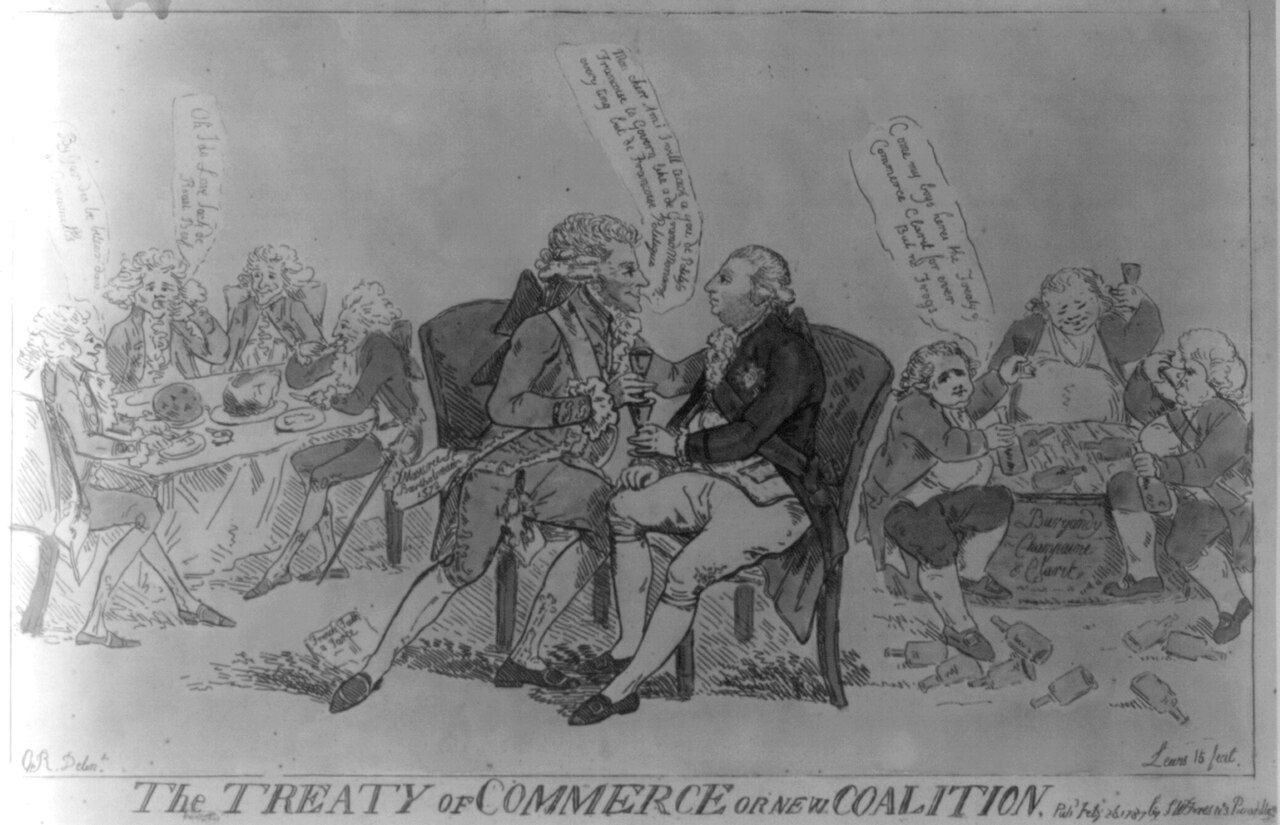
A glass rises; another waits, and a room briefly listens. The word toast carries an older image inside it. It comes from an English habit: spiced toast placed in wine. That small origin gives the raised glass a curious echo. A greeting, a wish, a gesture: each travels together.
| Place | Toast or custom |
|---|---|
| Germany, Czech Republic | Eye contact while clinking |
| Japan | Kanpai; pour for one another |
| Korea | Younger people receive drinks with both hands |
| Hungary | Beer glasses traditionally do not clink |
Words and gestures
Across Europe, a toast can sound like a wish. Germans say Prost; Swedes, Danes and Norwegians say skål. In Germany and the Czech Republic, clinking glasses comes with eye contact. The phrase and the glance meet briefly across the rim. German beer traditions have other histories too, including Germany's historic beer purity rules.
In Japan, kanpai accompanies a shared pour. Drinkers pour for one another rather than filling their own glass. The gesture passes the task across the table. In Korea, younger people often receive a drink from an elder. They hold it with both hands, then turn slightly away to drink. Here, the angle matters as much as the glass.
That quiet shift is easy to remember. It makes a toast feel less like a line, more like attention. A glass can be held, offered, or turned aside. Small movements carry the manners; no speech needs to explain them.
Hungary keeps a particular silence around beer glasses. An old tradition holds that people do not clink them. The custom is linked to the executions of 1849, after the failed revolution. A raised glass can therefore carry history without making noise.
Other toasts make their wishes plain. Sláinte means health in Ireland and Scotland. Salud in Spain and Latin America, santé in France, and na zdrowie in Poland all wish the drinker good health. The sounds differ; the hope is familiar.
Across these customs, the glass is only part of the exchange. Words, eye contact, a careful pour, or a turned shoulder complete it. The scene changes, and the small courtesies change with it. Which gesture will stay in mind after the glasses are lowered?
Images on this page: British Cartoon Prints Collection (public domain) original; Anthony Levrot (Creative Commons BY-SA 4.0); MHM55 (Creative Commons BY-SA 4.0); Diego Delso (Creative Commons BY-SA 4.0).