History & Customspoured: Qvevri wineGeorgia (Kakheti)
Qvevri: Georgia’s Buried Clay Wine Tradition
In Kakheti, wine begins with a buried clay vessel and gathers meaning through grapes, rtveli, and the toastmaster-led Georgian supra.
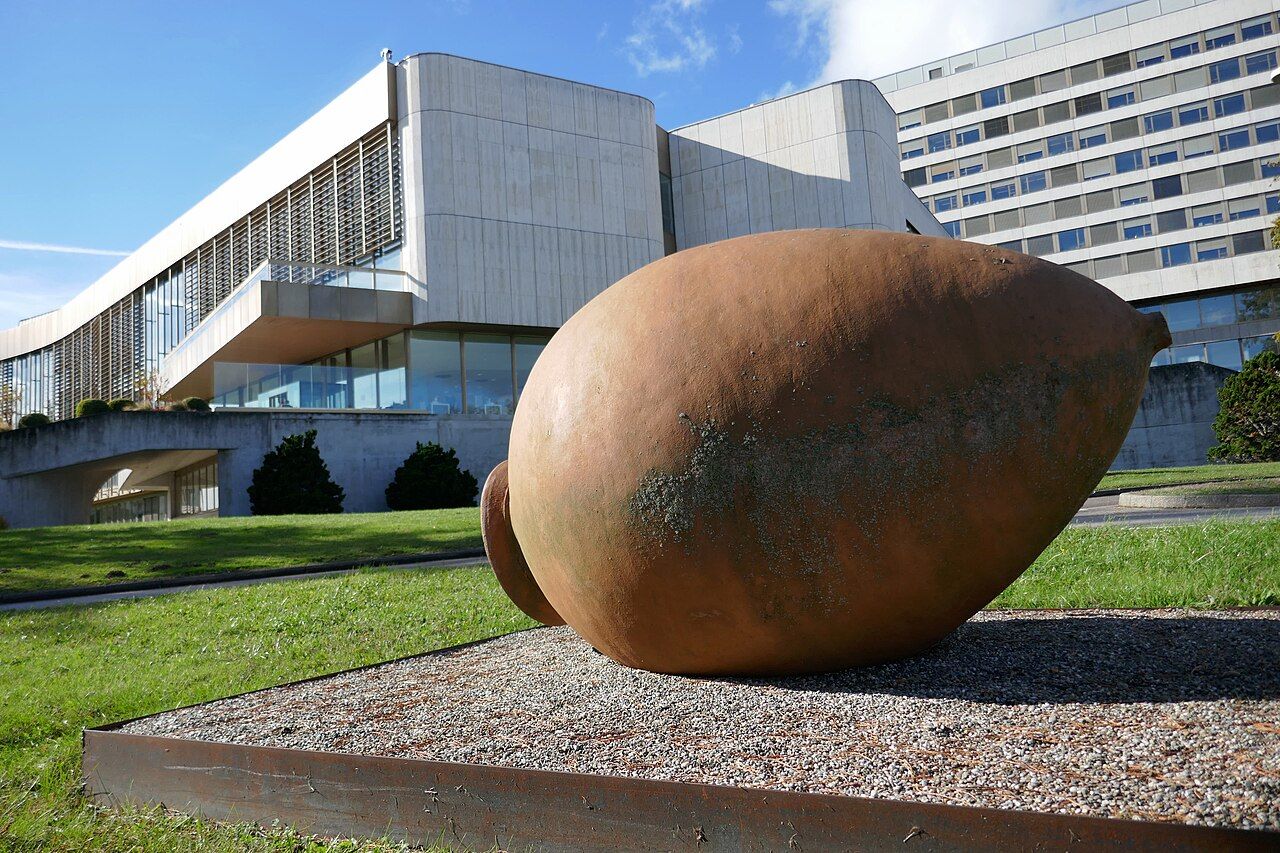
2013 saw traditional Georgian qvevri winemaking added to UNESCO’s Intangible Cultural Heritage list. In eastern Georgia, Kakheti gives this old method a landscape and a vocabulary.
| Drink | Qvevri wine |
|---|---|
| Region | Kakheti, eastern Georgia |
| Vessel | Large egg-shaped clay jar, buried up to its neck |
Steps
Begin with the vessel, whose shape makes the method legible. A qvevri is a large egg-shaped clay jar. It rests buried in the ground, up to its neck. The visible opening marks the edge between earth and vessel. The buried vessel gives the method its clearest image.
That quiet outline carries an unusually long history. Archaeological finds in southern Georgia show winemaking from about 6000 BC. The evidence places Georgia among the world’s earliest known wine regions. The jar is more than a container in this account. It is the clearest shape given to a tradition.
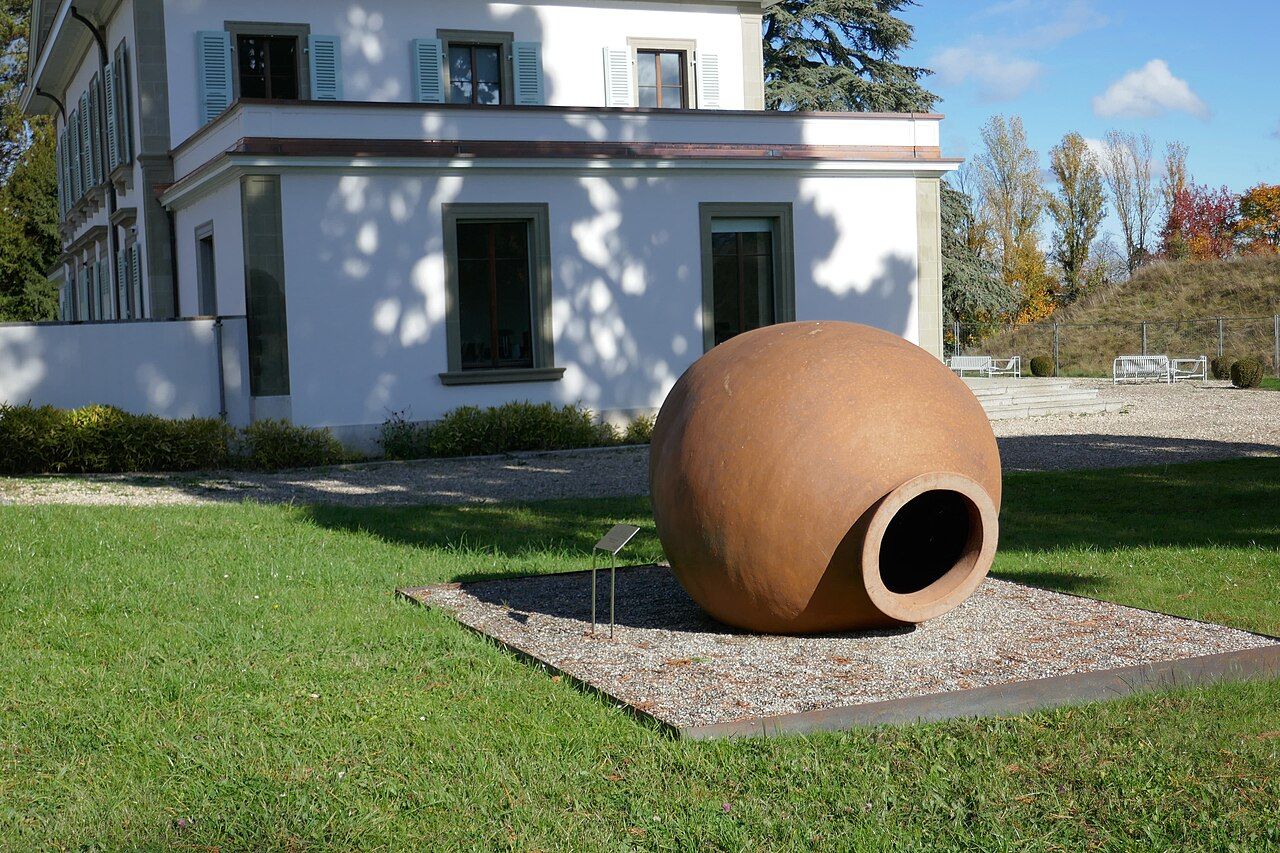
The buried vessel gives the method its clearest image.
Read the vessel as a way of making wine. Qvevri wine often ferments on the grape skins. That contact gives white grapes an amber colour. The colour makes the method visible in the glass. No complicated explanation is needed before that change appears.
The process begins with grapes, but its signature rests elsewhere. It rests in clay, burial, and the skins’ continuing presence. These details form a spare sequence rather than spectacle. Each one gives the next a clear place. Together, they make the vessel central to the story.
The method also resists a neat division between red and white. Rkatsiteli is Kakheti’s leading white grape. In qvevri, white grapes can emerge amber-coloured through skin fermentation. That shade belongs to the method’s particular vocabulary. It makes the process harder to mistake for a simple colour chart.
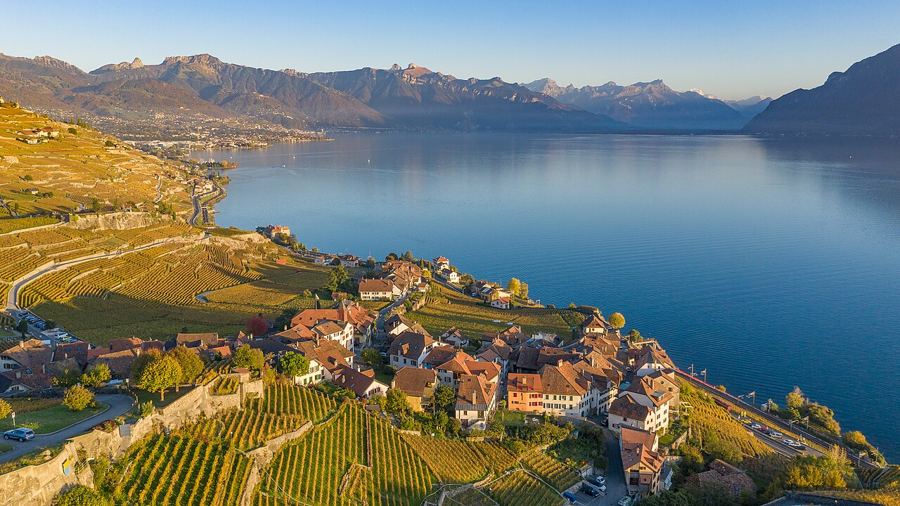
Place the grapes within Kakheti, the country’s main wine region. The Alazani Valley runs through it, below the Greater Caucasus range. The valley gives the region its broad geographical line. Kakheti, meanwhile, supplies the larger frame for the wine.
Saperavi is Georgia’s best-known red grape. Rkatsiteli is its leading white. Those names offer a simple way to enter the region’s grape story. They do not replace the wider method. Instead, they place particular grapes beside the clay vessel.
Telavi is Kakheti’s main town. Sighnaghi, a hilltop town, is ringed by 18th-century defensive walls. These places give the region distinct points of reference. They sit alongside the valley, the range, and the grape names. The picture remains regional, not confined to one jar.
Follow the harvest through its Georgian name, rtveli. The word means the grape harvest and its gatherings. It holds labour and company in the same small frame. Grapes are harvested, while people gather around that work. The name keeps both parts in view.
Rtveli does not need an elaborate gloss to feel generous. Its meaning already joins the crop to the gathering. That pairing suits a wine shaped by shared customs. It also gives the calendar a social measure. The harvest is not only a point in grape growing.
In Kakheti, the word connects landscape and table. The valley carries the region’s geography. The grapes carry its wine tradition forward. Rtveli brings the season’s work into a gathering. The method’s history can feel distant; the harvest gives it human scale.
Move from the harvest gathering to the Georgian supra. A supra is a feast led by a toastmaster. The toastmaster is called the tamada. That title gives the gathering a clear centre. It is a role named within the feast’s own customs.
The supra also sits within toasting customs around the world, with its tamada leading the feast. The link between toast and gathering is plain here. One named person leads a form of shared celebration. That structure lends the meal its particular shape.
The qvevri story reaches beyond clay at this point. Grapes become wine, and wine belongs to a feast. The tamada gives the supra its speaking centre. The harvest gathers people around grapes; the feast gathers them around toasts. Each practice brings the wine into company.
Set the wine beside Georgia’s older cultural memory. By tradition, Saint Nino brought Christianity to Georgia. The cross she carried was made of grapevine. The vine therefore appears in a story beyond wine. It also carries a place within religious tradition.
This connection does not make every grape a symbol. It does let the vine occupy several kinds of memory. It belongs to harvest, wine, and a traditional account of Christianity. The qvevri holds one part of that history in clay. Its buried form makes a strong counterpoint to the vine.
Traditional Georgian winemaking in qvevri has UNESCO recognition. Archaeological finds point to winemaking from about 6000 BC. Saint Nino’s grapevine cross belongs to tradition, not excavation. The histories differ in kind, though both centre the vine. Together, they give the grape more than one inheritance.
A Kakheti wine story can begin with a buried jar. It can widen through grapes, rtveli, and the supra. The Alazani Valley and Greater Caucasus set the region’s frame. The vessel, meanwhile, keeps the method close at hand. What does a buried vessel keep, beyond the grapes and their colour?
Images on this page: MHM55 (Creative Commons BY-SA 4.0); MHM55 (Creative Commons BY-SA 4.0); photographer unknown (public domain) original; British Cartoon Prints Collection (public domain) original; Lorenz Poffet (Creative Commons BY-SA 4.0).