History & Customspoured: SherrySpain (Andalusia)
The Sherry Triangle of Andalusia
Three towns, chalky soil and a slow exchange between barrels give sherry its shape, while harvest and horse fairs mark the year in Jerez.
A venencia draws sherry from a barrel, then pours it from a height. The long-handled cup gives the wine a brief, bright arc. In the three towns of the sherry triangle, the barrel holds the slower story.
| Town | Known here for |
|---|---|
| Jerez de la Frontera | Grape harvest and horse fair |
| Sanlúcar de Barrameda | Manzanilla aged under flor |
| El Puerto de Santa María | Part of the sherry triangle |
The triangle
Jerez de la Frontera, Sanlúcar de Barrameda and El Puerto de Santa María make the triangle. Its name has travelled farther than its borders. The English word sherry comes from Xérès, an old form of Jerez.
The ground has its own name, too. White, chalky vineyard soil is called albariza. Palomino is sherry’s main grape, set against that pale earth. The contrast is plain in the words themselves: grape, chalk, wine.
These details make a useful map. Not a map of roads, but of the things that stay close to the wine. Soil beneath it; grape above it; town names gathered around it.
Under flor
In the cellar, sherry ages in a solera. Stacked barrels form the system, and younger wine gradually refreshes older wine. The arrangement makes age a passage between barrels, rather than a sealed moment.
Fino and manzanilla take another shelter. A layer of yeast called flor floats on the wine and keeps air away. The word suggests a covering, but the process is exact: yeast above, air kept off.
Manzanilla has a sharper boundary. It can only be aged in Sanlúcar de Barrameda. The town is not simply one corner of the triangle; for this wine, its place matters.
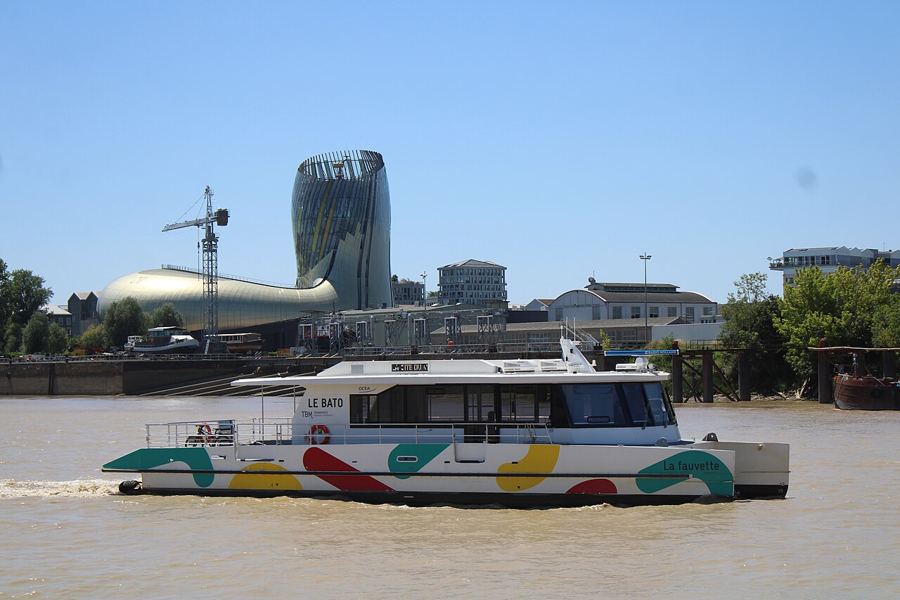
The barrel’s slow exchange has a different shape from Bordeaux's riverfront wine museum. Sherry’s account stays close to stacked wood, floating yeast and the patient movement of wine.
A venencia brings the barrel’s contents into view. Its long handle draws wine, then lets it fall from a height. The small gesture joins cellar work to something almost theatrical, without leaving the barrel behind.
Harvest and horses
Jerez marks the grape harvest with the Fiesta de la Vendimia in September. The name carries the harvest into the calendar. Vineyards and barrels are not separate chapters here; the fair gives the season a public shape.
Each May, Jerez holds the Feria del Caballo, its horse fair. The town’s equestrian life has another home in the Royal Andalusian School of Equestrian Art. It trains horses and riders in classical dressage.
Wine and horses offer different kinds of discipline. One depends on patient refreshment between barrels; the other on training in classical dressage. Jerez holds both in its name, without asking either to explain the other.
Across the Guadalquivir from Sanlúcar de Barrameda lies Doñana National Park. The river gives the triangle an edge beyond the vineyards and cellars. Here, even the map keeps a little distance between its parts.
Albariza, flor, solera: each word names a different layer of the story. Together, they make the triangle more than three points. The harvest returns; the barrels continue their exchange; the towns keep their distinct place.
Images on this page: Diego Delso (Creative Commons BY-SA 4.0); Diego Delso (Creative Commons BY-SA 4.0); Anthony Levrot (Creative Commons BY-SA 4.0); British Cartoon Prints Collection (public domain) original; Lorenz Poffet (Creative Commons BY-SA 4.0).