Spirit Landspoured: Single malt ScotchScotland (Inner Hebrides)
Islay: Peat Smoke and Sea Air
A crossing from Kintyre opens onto peat-dried barley, single malt, old crosses and churches, and barnacle geese settling into winter.
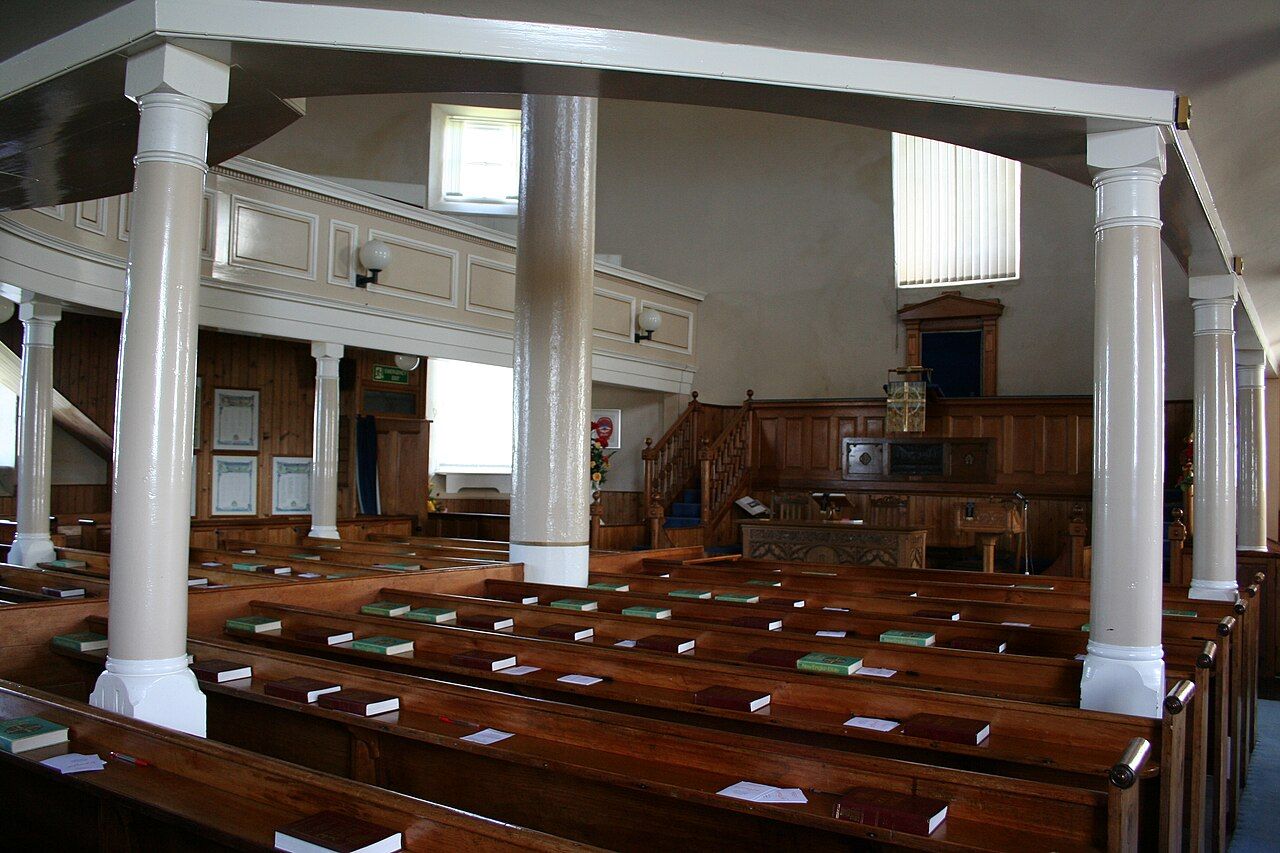
One island, five whisky regions, and a crossing from Kintyre.
| Crossing | Ferries sail from Kennacraig on the Kintyre peninsula to Port Ellen and Port Askaig. |
|---|---|
| Whisky | Around ten working distilleries; peat dries malted barley. |
| Festival | Fèis Ìle is held each year in late May. |
The sequence
Begin with the crossing, the island’s first measured threshold. Ferries leave Kennacraig on the Kintyre peninsula for two ports. Port Ellen and Port Askaig receive the routes from Kintyre. The names set a practical frame around Islay’s wider story. The southernmost island of the Inner Hebrides is not only whisky. Its history also runs through churches, carved stone, and wintering geese. A restrained itinerary lets those threads sit together. The crossing itself gives the story a beginning, without explaining everything that follows.
Set the whisky in place before following its smoke. Islay has around ten working whisky distilleries. VisitScotland, the national tourism organisation, presents Islay as one of Scotland’s five whisky regions. The five traditional regions are the Highlands, the Lowlands, Speyside, Campbeltown, and Islay. That list makes a small island sound like a whole chapter. Its character comes through more clearly in the barley and peat. The landscape need not be reduced to a tasting note; the tasting note already carries landscape.
Follow peat back to the work of drying malted barley. Peat burned for that purpose gives many Islay whiskies their smoky character. Peat is not a garnish here; it begins as fuel. The smoke moves from a practical act into the flavour. It is an unusually direct line between a material and a glass. The island’s name and its whisky become difficult to separate. Still, around ten working distilleries do not make every whisky identical. The shared smoke leaves room for difference.
Keep the regional map open beside the island story. Scotland’s traditional whisky regions make a useful frame, not a substitute for place. Islay holds one place among five, while its own character gathers around peat and malt. The phrase corn whiskey of the American South belongs to another chapter of spirits and place-names. Here, the island’s particular voice comes through smoke, sea air, and the grain behind the whisky. The map can be broad; the impression remains close.
Give the whisky its proper measure of time. Scotch whisky must age for at least three years in oak casks in Scotland. That rule places patient work behind the island’s sharper smoky note. Oak casks and peat describe different parts of the story. One names the required ageing; the other helps shape many Islay whiskies. Neither detail needs grand language. Together they make the glass less like a quick souvenir and more like a record of process. The years pass quietly, while the smoke makes itself heard.
Let late May bring the island’s festival into view. Fèis Ìle, the Islay Festival of Malt and Music, is held each year then. Its name joins two strands already present in the island story. Malt belongs to the whisky, while music opens another register. The festival gives those strands a shared occasion without replacing the history around them. A calendar note can be simple: late May, each year. From there, the island’s older traces remain close at hand. The living festival and the carved past occupy different kinds of time.
Turn next to Finlaggan, on a small loch in Islay’s north. It was the seat of the Lords of the Isles. The words seat and loch make history feel grounded, not distant. In the southeast, the Kildalton Cross stands in an old churchyard. This carved high cross dates to the 8th century. The distance between these two historical points belongs to the island’s wider shape. One speaks of rule; the other holds its history in carved stone. Neither asks the whisky to carry the whole story.
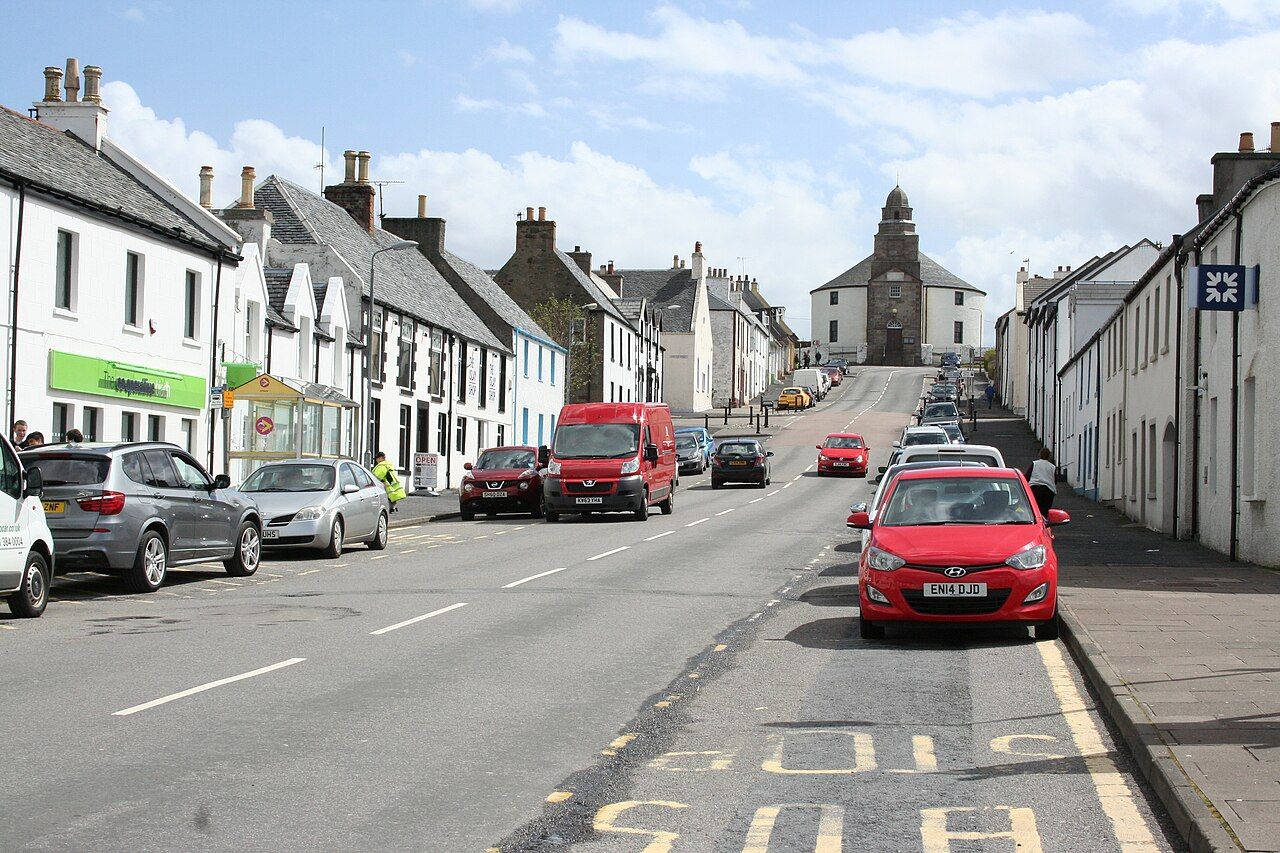
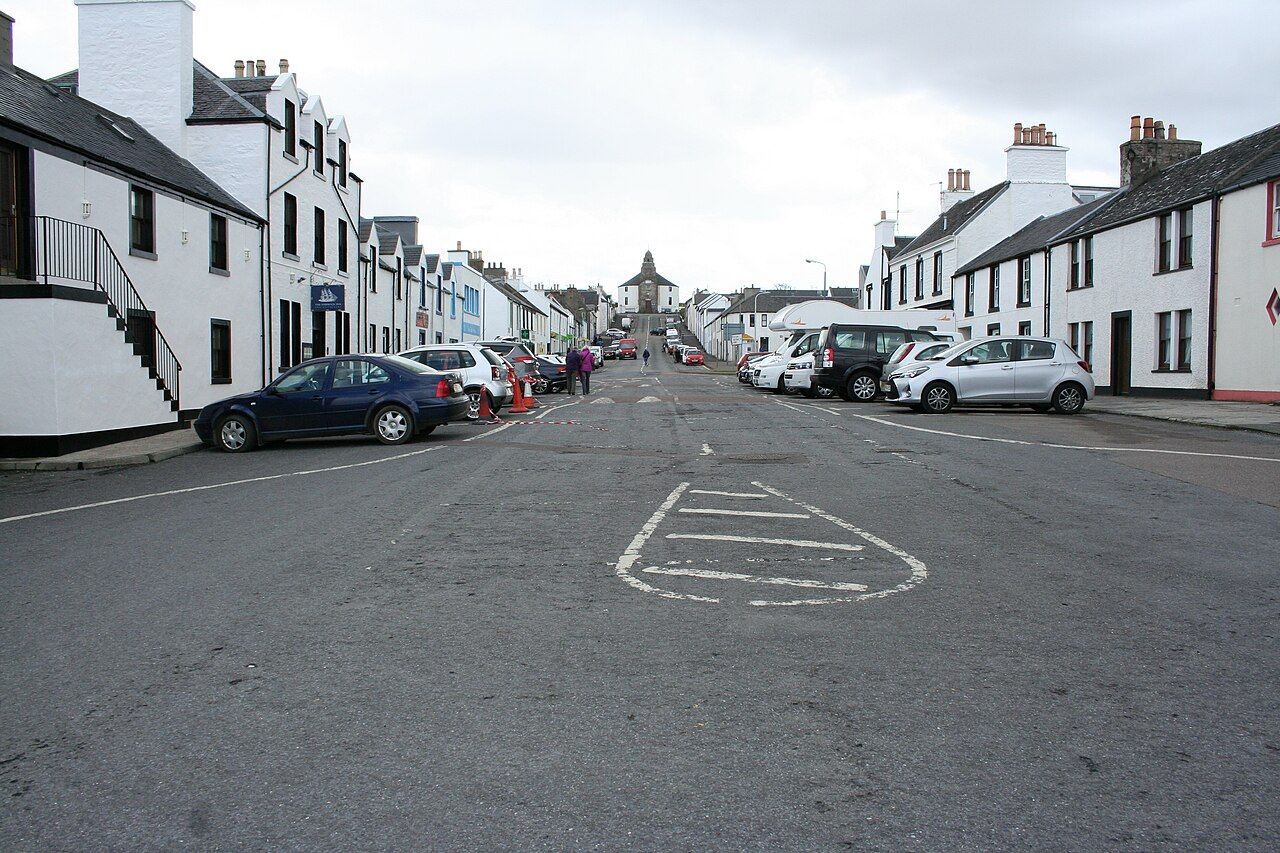
Make room for Bowmore and its round church. Built in 1767, it carries a local tradition about the devil. The story says the round shape left no corner in which he could hide. It is a light turn in a landscape of old churches and crosses. The church’s form gives the tale its simple logic. Then winter brings another kind of gathering: thousands of barnacle geese spend the season on Islay. Their presence shifts the island’s rhythm beyond whisky and history. The story ends with a question still open: what else settles here?
Peat is not a garnish here; it begins as fuel.
Images on this page: MSeses (Creative Commons BY-SA 4.0); MSeses (Creative Commons BY-SA 4.0); MSeses (Creative Commons BY-SA 4.0); Diego Delso (Creative Commons BY-SA 4.0); Kalogeropoulos (Creative Commons BY-SA 3.0); Juan Carlos Fonseca Mata (Creative Commons BY-SA 4.0).