Tea & Coffeepoured: Turkish coffee and teaTürkiye (Istanbul)
Istanbul’s Two Cups: Coffee and Black Sea Tea
A small pot of Turkish coffee and tulip-shaped glasses of tea lead through Istanbul’s bazaars, to the old coffeehouses and the customs that remain.
In Istanbul, a small pot and a glass set two rhythms. One holds foam and grounds; the other, tea poured in small measures.
| Drink | Form |
|---|---|
| Turkish coffee | Finely ground beans, brewed in a cezve |
| Turkish tea | Brewed in a çaydanlık, served in tulip-shaped glasses |
Two cups, in order
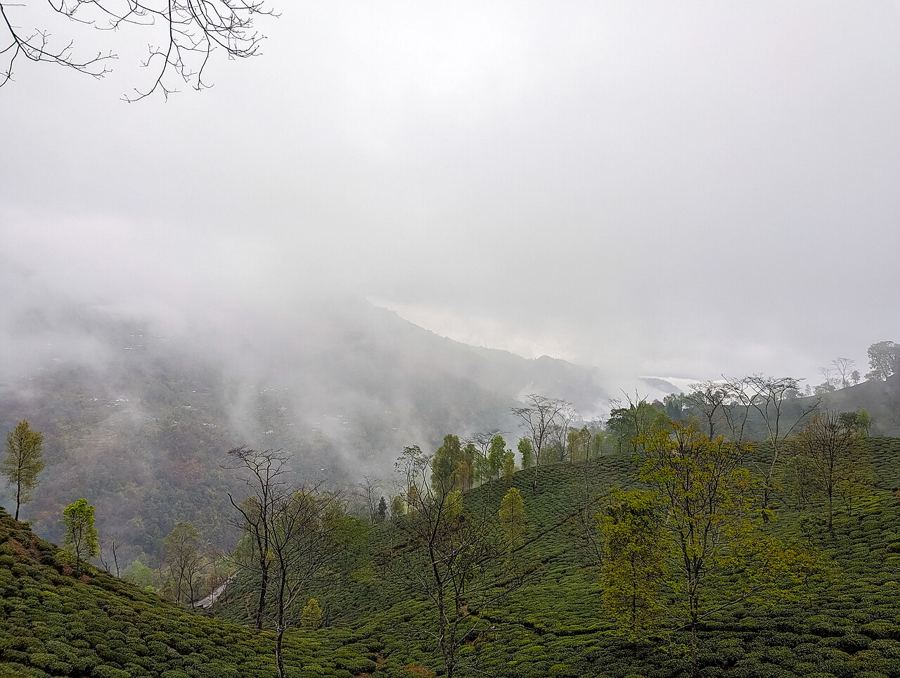
Begin with tea’s geography, on the Black Sea coast. Tea has grown around Rize since the 1930s and 1940s. Türkiye has one of the world’s highest tea-drinking rates per person.
Follow the tea through its double teapot, the çaydanlık. The two chambers give brewing its own small architecture. The finished tea goes into small tulip-shaped glasses. The glasses offer a clear counterpoint to coffee’s settled grounds.
Keep the glass in mind while crossing Istanbul’s old markets. The Grand Bazaar is among the oldest and largest covered markets in the world. The Spice Bazaar, in Eminönü, was completed in the 1660s.
Let the market names lead toward coffee’s older public history. Istanbul’s first coffeehouses opened in the mid-16th century, under Suleiman the Magnificent. The cup had already begun to gather company and custom.
For coffee, start with very finely ground beans. Brew them in a small pot called a cezve. Its compact shape suits a drink made with patience and attention.
Serve Turkish coffee with its foam, alongside a glass of water. The pair keeps the moment spare. For another flavour, there is the anise spirit of the Aegean, beyond these two Istanbul cups.
Leave the grounds settled in the cup, then turn it upside down. Reading fortunes in those grounds is a long-standing custom in Türkiye. The cup’s last image becomes part of the ritual.
Hold both traditions together: tea from the Black Sea coast, coffee tied to Istanbul’s coffeehouses. Turkish coffee culture and tradition joined UNESCO’s Intangible Cultural Heritage list in 2013. Which cup would tell the fuller story?
Images on this page: sourabh.biswas (Creative Commons BY-SA 4.0); 663highland (Creative Commons BY 2.5); Bernard Gagnon (Creative Commons BY-SA 4.0).