Tea & Coffeepoured: Matcha and green teaJapan (Kyoto)
Uji: Green Tea and the Tale of Genji
Between Kyoto and Nara, Uji ties green tea to a river, two old sacred buildings, and the final chapters of a celebrated tale.
14th-century fame gave Uji tea a name that still carries weight. The town lies on the Uji River, between Kyoto and Nara. Here, leaf, water and story keep close company.
| Place | Uji, Japan (Kyoto) |
|---|---|
| Drinks | Matcha and green tea |
| Rail | JR Nara Line or Keihan Uji Line from Kyoto |
River and leaf
The river gives the town its steady centre. Tea gives that setting a second kind of current. Uji tea gained fame under the Ashikaga shoguns’ patronage. The fame began in the 14th century, then settled into the place’s identity.
That history is not only a matter of names. Matcha begins with tencha leaves, shaded for weeks before picking. After harvest, the leaves are dried and stone-ground into powder. The work changes leaf into something fine and vivid. Its quiet preparation suits a town where history seems to move by layers.
Gyokuro offers another expression of shade-grown tea. It was developed in the Uji area in the 19th century. The detail connects a particular leaf with a particular place. Uji’s tea story is not a single method, but a lineage of careful choices.
Stone and story
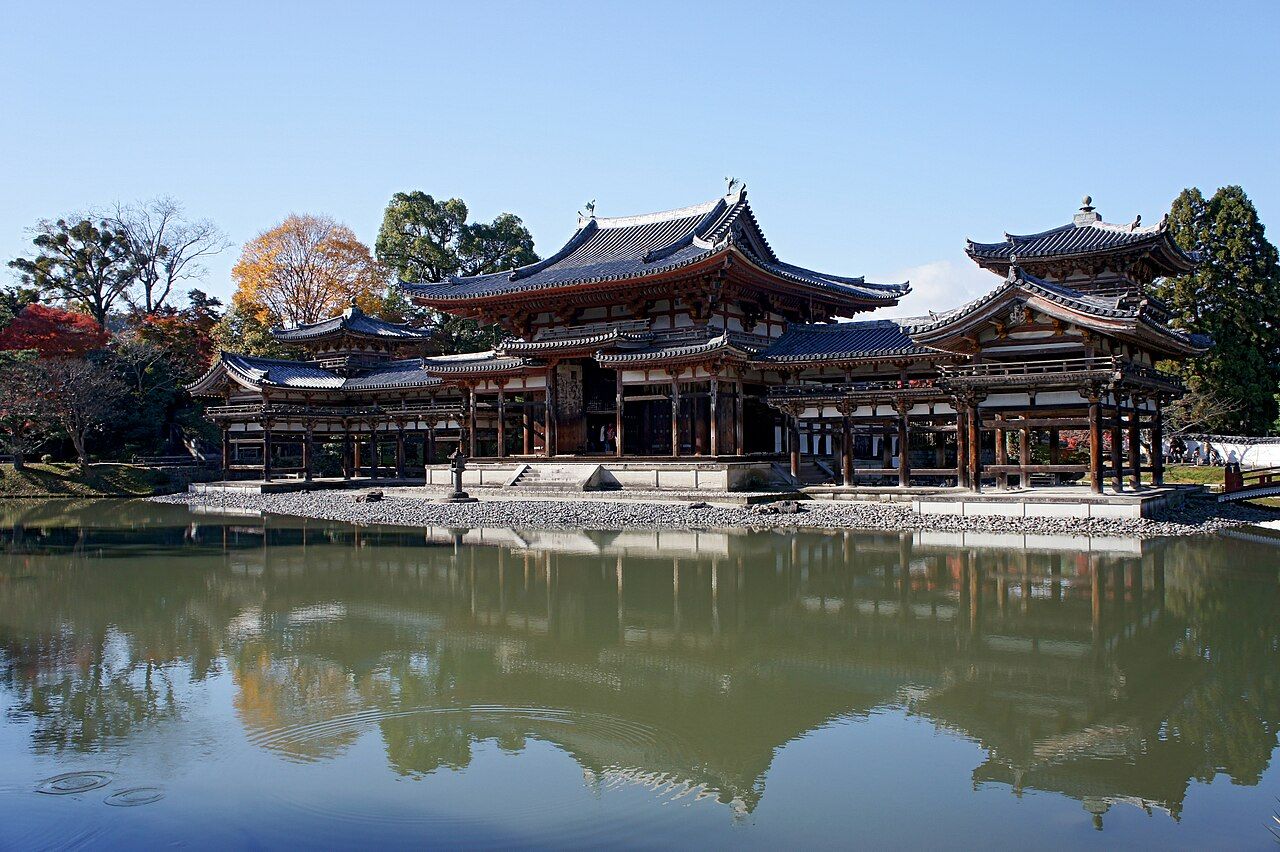
Byōdō-in brings another kind of recognition to Uji. Its Phoenix Hall appears on the Japanese 10-yen coin. The building is also part of the Historic Monuments of Ancient Kyoto World Heritage Site. Ujigami Shrine belongs to that same site.
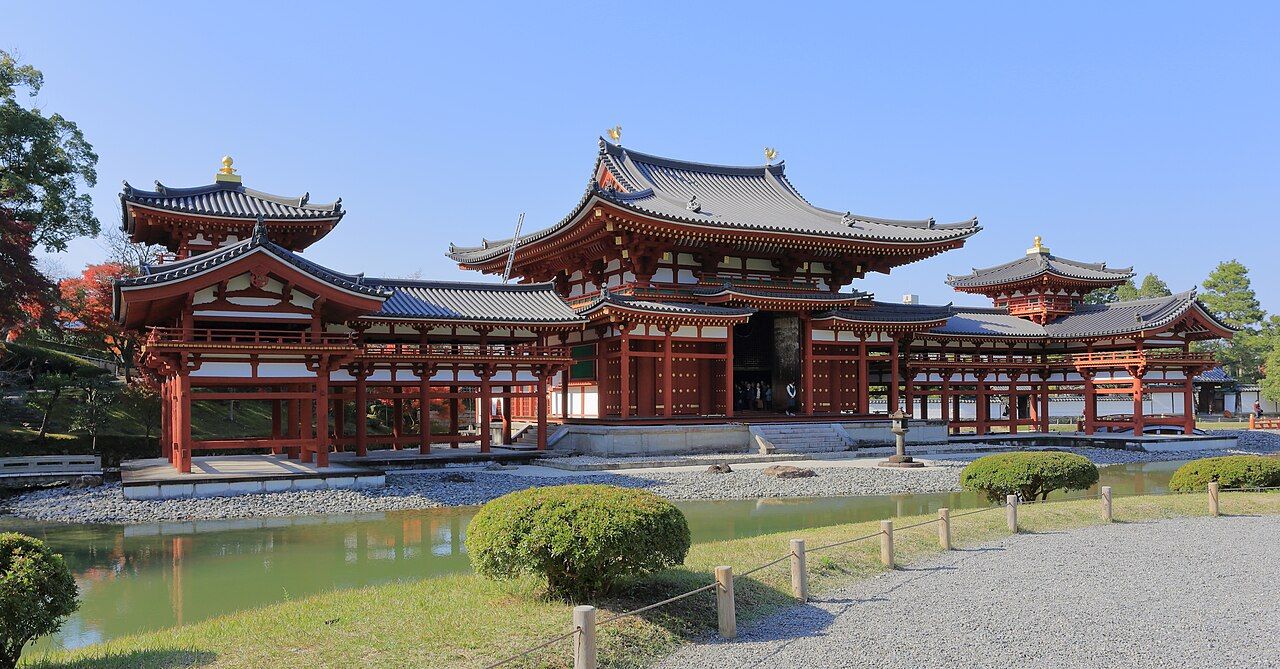
Ujigami Shrine is considered Japan’s oldest surviving shrine building. The claim rests in the word “surviving,” a small word with long reach. Together, the shrine and temple make Uji’s past more than a backdrop. They give it forms that remain present in the town.
Tea and sacred buildings share the same local ground, without needing to explain one another. A walk between their stories might be the gentlest way to read Uji. The river, meanwhile, keeps its own unhurried line through the middle.
Uji also enters Japanese literature through the Tale of Genji. Its last ten chapters are set here. The Tale of Genji Museum, run by the city, holds that connection close. The town becomes not just a setting, but the closing landscape of a much larger story.
For readers tracing tea beyond Uji, Hiroshima's soft-water sake town offers another Japanese drink history. The comparison is useful mostly for its difference. Uji’s defining thread runs from shaded leaves to powdered tea, then onward into old buildings and fiction.
Ways through
Sen no Rikyū shaped the Japanese tea ceremony in the 16th century. His name belongs to the wider language of tea, while Uji supplies a particular place and leaf. The ceremony’s measured attention seems at home beside a process that begins in shade and ends beneath a stone.
Kyoto connects to Uji on the JR Nara Line or the Keihan Uji Line. The route brings the town within reach of the city, then leaves its layered stories to unfold beside the river. Which thread would hold attention longest: the leaf, the shrine, or Genji’s final chapters?
Images on this page: 663highland (Creative Commons BY 2.5); Martin Falbisoner (Creative Commons BY-SA 4.0); Rod Waddington from Kergunyah, Australia (Creative Commons BY-SA 2.0); Grissef (Creative Commons BY-SA 4.0).