Wine Countrypoured: Tokaji AszúHungary (Borsod-Abaúj-Zemplén)
Tokaj: Aszú from Vine to Cellar
In Hungary’s Tokaj region, noble rot shapes Aszú from grape to wine. Furmint, puttonyos and long tunnels through volcanic rock carry the story onward.
| Drink | Tokaji Aszú |
|---|---|
| Region | Hungary (Borsod-Abaúj-Zemplén) |
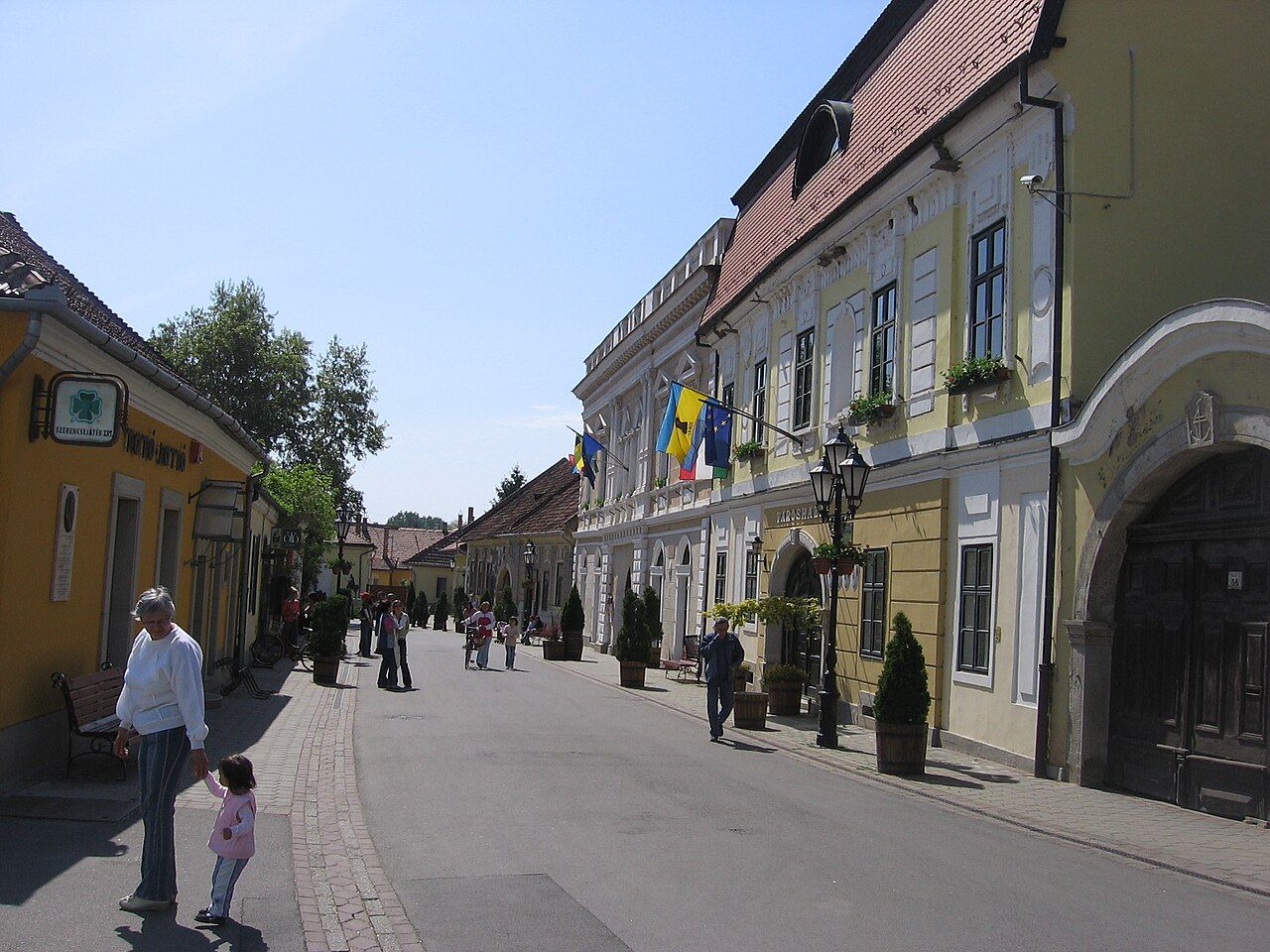
At Tokaj, the Bodrog meets the Tisza, and the town stands there. That meeting gives the wine story a clear point of entry. In 2002, UNESCO recognized the Tokaj Wine Region Historic Cultural Landscape as a World Heritage site.
A royal decree set the region’s boundaries in 1737. It was among the earliest closed wine zones. The line on the map carries a long history, but the story begins among the vines.
The Hungarian national anthem, written by Ferenc Kölcsey, mentions Tokaj’s vines. The vines have a place beyond the vineyards, in a national song. Tokaji is often called the wine of kings and the king of wines.
That phrase is traditionally linked to Louis XIV of France. Its grand rhythm suits a wine whose making begins with a small, particular change in the grape.
Furmint and Hárslevelű are the Tokaj region’s main grapes. Tokaji Aszú is made from grapes shrivelled by noble rot. The fungus has a formal name: Botrytis cinerea.
From vine to cellar, the story turns on that change. Sweetness in Aszú was traditionally measured in puttonyos. These were baskets of botrytised grapes added to the base wine.
The measure gives sweetness a form that can be pictured. A basket enters the account, then the cellar takes over. Tokaj’s long tunnels are cut into volcanic rock.
Many cellars have walls covered with dark cellar mould. The tunnels make a striking counterpoint to the vines above. The clay-jar wines of Kakheti carry another cellar story; Tokaj’s runs through rock.
Here, the route from grape to wine is also a passage through history. Boundaries, anthem, baskets and tunnels gather around Aszú without crowding its making.
The name Tokaj has held its place in song and wine lore. Its cellars keep the story close to the rock. What else can a boundary hold, besides vines?
Images on this page: PM (public domain) original; Lorenz Poffet (Creative Commons BY-SA 4.0); Concierge.2C (Creative Commons BY-SA 3.0); BigSus (Creative Commons BY 2.5).