Wine Countrypoured: Tempranillo redsSpain (La Rioja)
Rioja by Rail: Haro and the Station Quarter
Haro’s railway quarter opens a route through Rioja’s wine history, from its river and old cellars to Laguardia and the monasteries of San Millán.
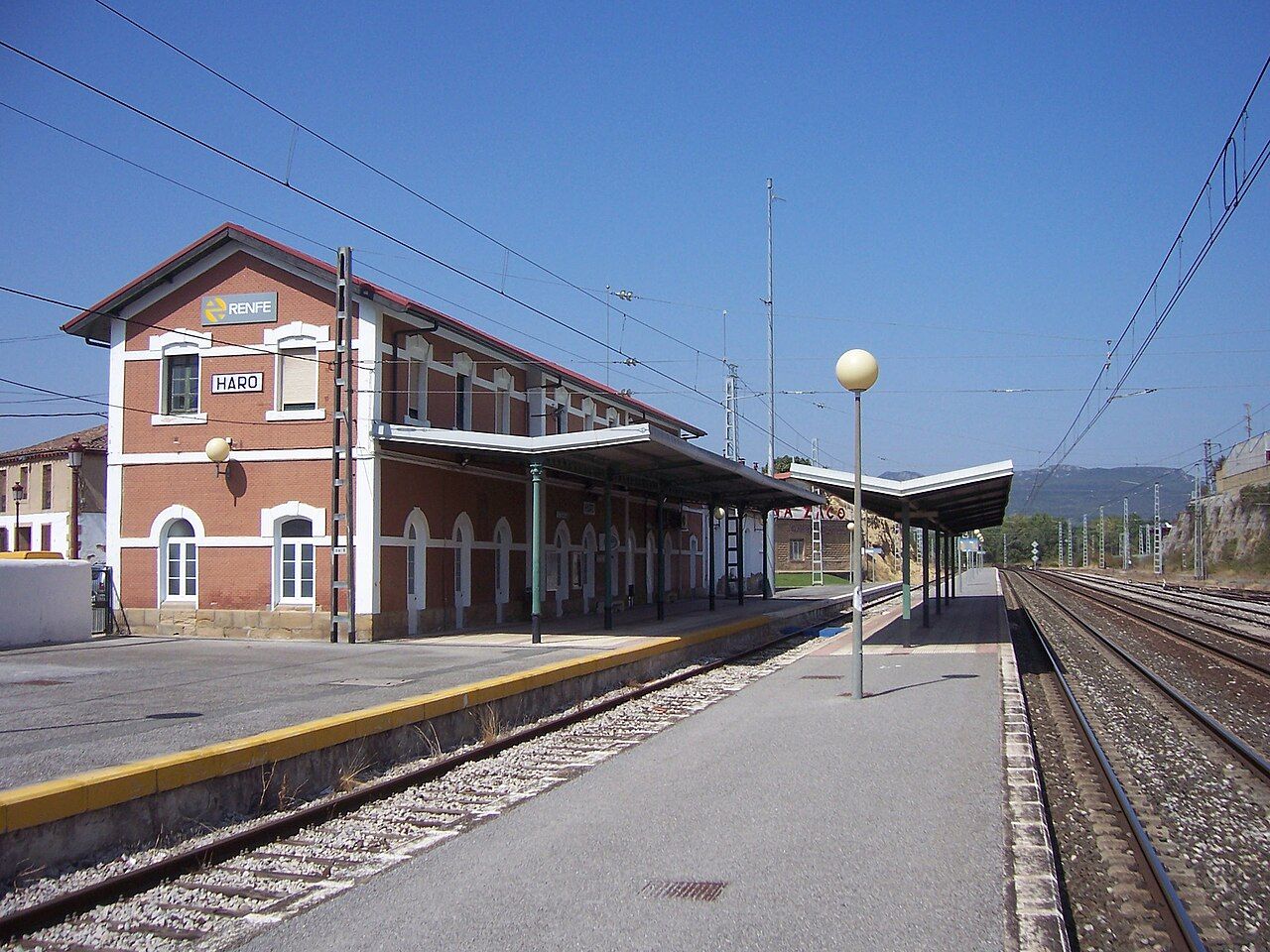
The Ebro runs through Rioja, and Haro gathers its wine story close. Here, the Barrio de la Estación gives the trade a shape. Its past sits in the railway quarter, where wine and movement meet.
| Region | Spain (La Rioja) |
|---|---|
| Drink | Tempranillo reds |
| Zones | Rioja Alta, Rioja Alavesa and Rioja Oriental |
Haro
The Barrio de la Estación grew in the late 19th century. Phylloxera in France drew French buyers to Rioja by rail. That history gives Haro an unusual centre of gravity: not only vineyards, but also the quarter shaped by their trade. The railway belongs to the region’s wine story.
Rioja became the first Spanish wine to gain the top DOCa classification in 1991. The region’s names also hold a record of waiting. Crianza, Reserva and Gran Reserva describe how long a wine has been aged. On a label, time becomes part of the place’s vocabulary.
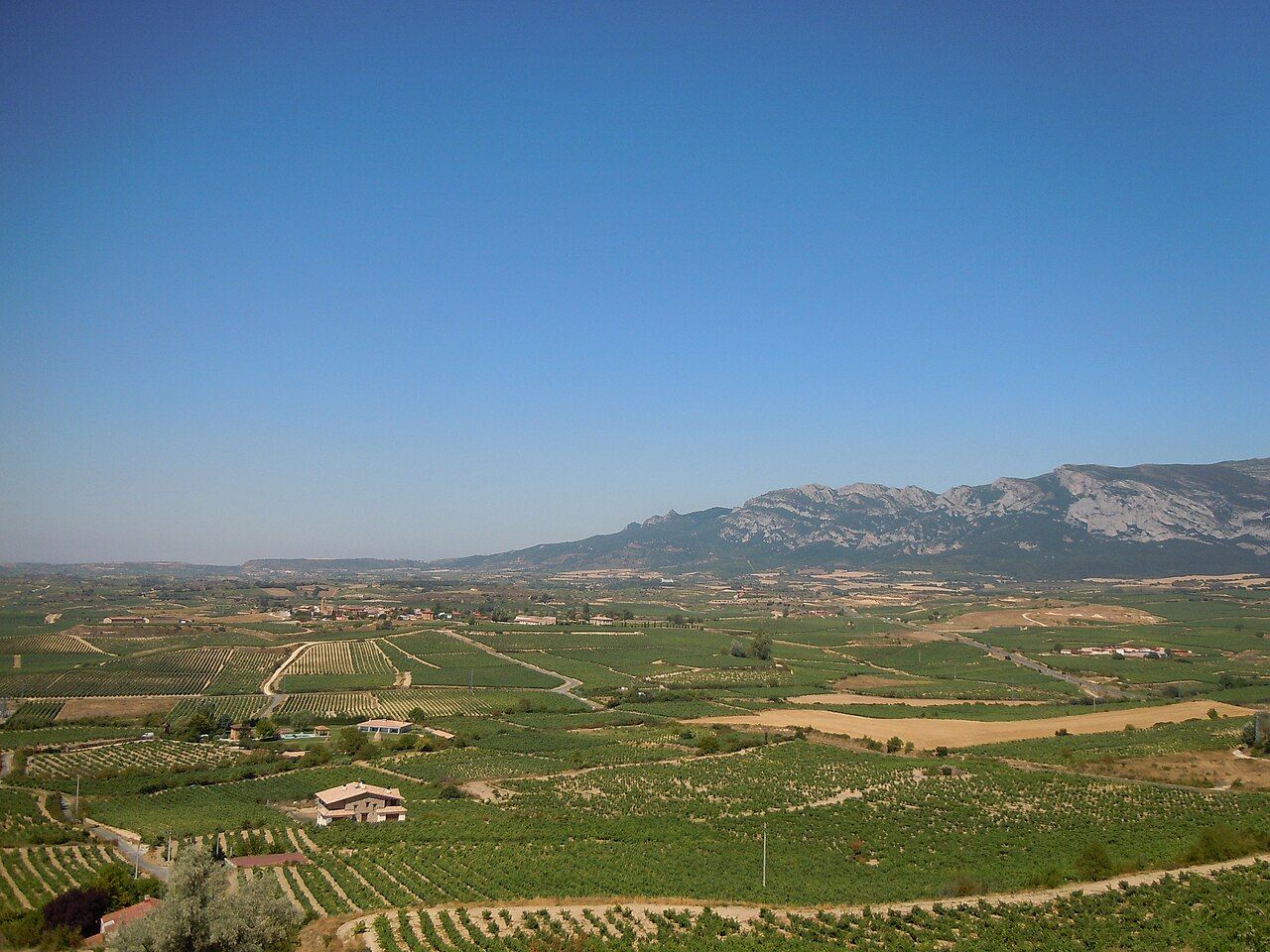
Tempranillo is Rioja’s main grape, alongside Garnacha, Graciano and Mazuelo. Viura leads among the white grapes. The names make a small inventory, but the region is not one single stretch. Rioja Alta, Rioja Alavesa and Rioja Oriental divide it into three zones. The three names give the region a wider frame than Haro. Together, they keep the map from narrowing to one quarter.
The Ebro runs through the wine region, a steady line across its larger shape. Rioja’s river country can sit beside port's terraced river valley in the mind, though the names keep their own ground. A map holds both without needing to blend them.
Haro’s feast of Saint Peter brings another kind of wine scene. Each 29 June, crowds soak each other with red wine near the Riscos de Bilibio. The Batalla del Vino takes its name plainly. For once, wine leaves the glass and becomes the whole event.
Beyond Haro
Laguardia stands in Rioja Alavesa, a walled town on a hilltop. Beneath its streets, old wine cellars have been dug into the ground. The contrast is striking: walls above, wine spaces below. The town’s visible outline and hidden cellars belong to the same story.
At San Millán de Yuso and Suso, stone holds a different kind of record. The monasteries carry UNESCO World Heritage recognition. They are linked to the earliest written glosses in the Spanish language. Here, the region’s story turns from wine toward words, and the quiet work of keeping them.
Logroño, the capital of La Rioja, offers a narrower street scene. Calle Laurel is known for small tapas counters along its length. Its name adds another register to the region’s table. Wine, food and language share the landscape without needing to explain each other.
Rioja’s history moves between vineyard, railway quarter, hillside town and monastery. The railway brought buyers; the cellars and labels preserve other measures of time. The Ebro keeps running through the region, joining places without making them alike. Haro is a fitting place to begin, with the trade still written into its quarter.
Images on this page: BigSus (Creative Commons BY 2.5); G. Villar (Creative Commons BY-SA 3.0); Lorenz Poffet (Creative Commons BY-SA 4.0); PM (public domain) original; Ermell (Creative Commons BY-SA 4.0).