Beer Citiespoured: Pilsner lagerCzech Republic (West Bohemia)
Plzeň, Where Golden Lager Began
A sequence through Plzeň’s pale lager story, from soft water and Saaz hops to Žatec’s hop country and the Czech styles of pouring.
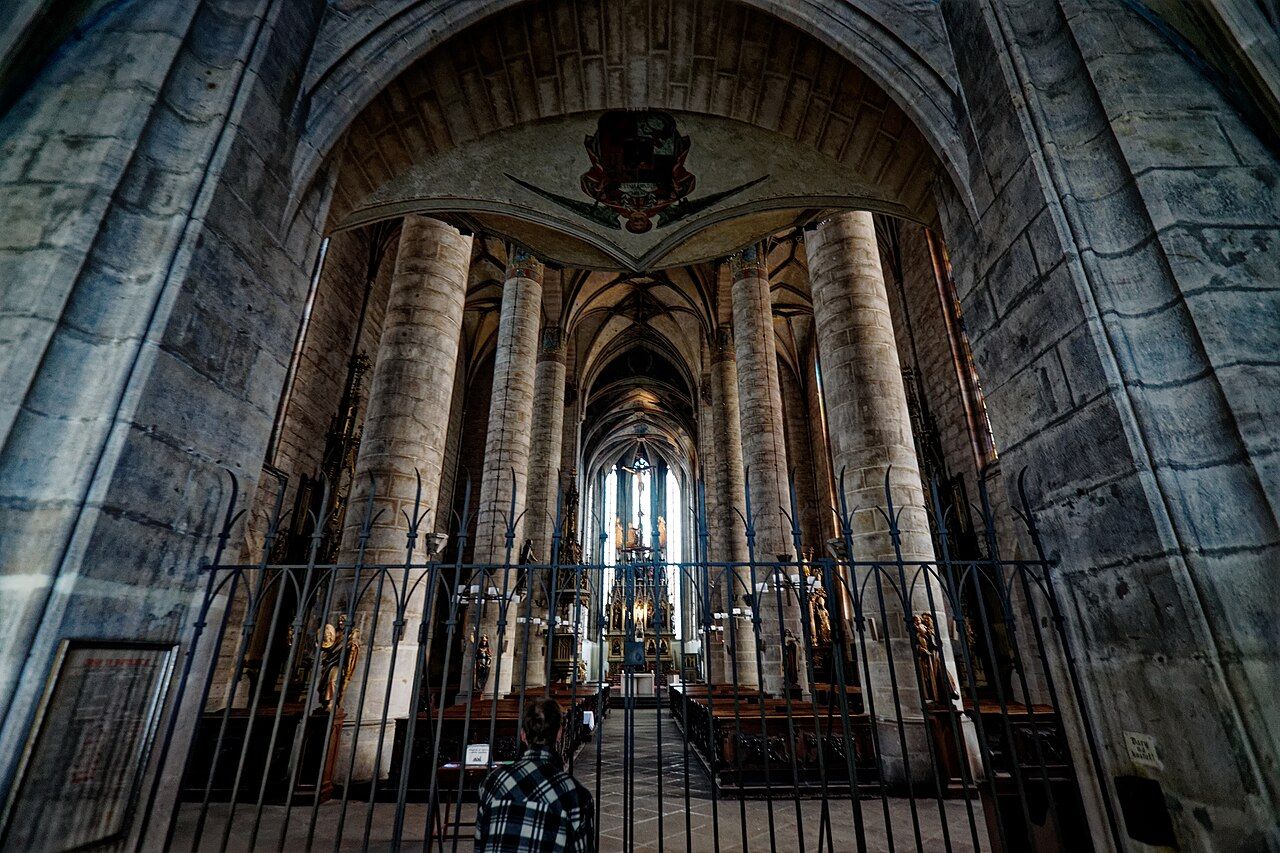
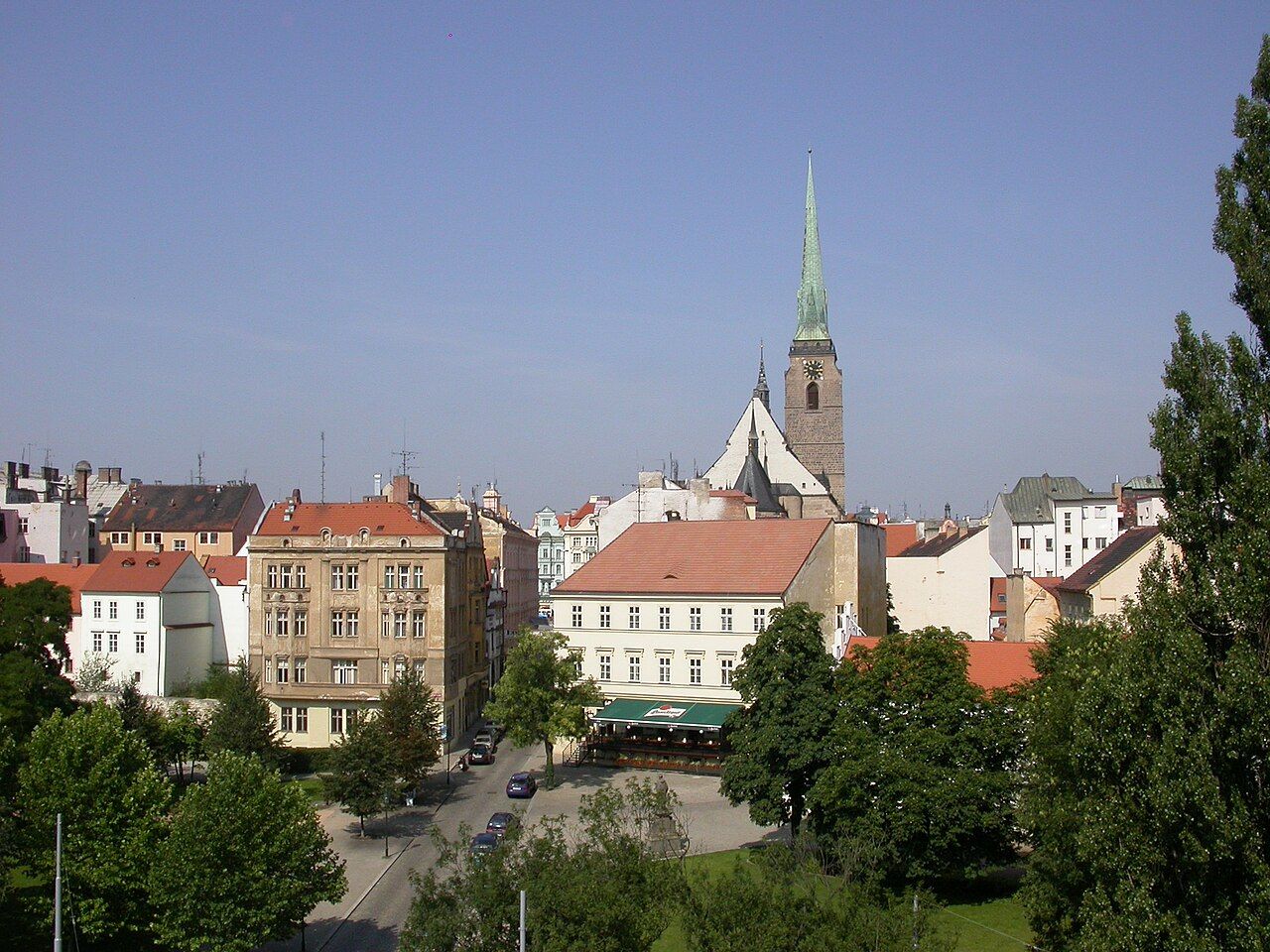
The tower rises above Plzeň, a marker in the city’s skyline. The Cathedral of St. Bartholomew reaches about 102 m. It is the tallest church tower in the Czech Republic. Below, medieval passages and cellars run for many kilometres beneath the historic centre.
| Drink | Pilsner lager |
|---|---|
| Region | Czech Republic (West Bohemia) |
| From Prague | About 90 km southwest |
A sequence
Begin with the city
Start with the name, then follow its meaning into the glass. The pilsner style takes its name from Pilsen, the German name of Plzeň. In 1842, the Bavarian brewer Josef Groll brewed the first pale golden lager here. The place and the beer remain joined in a single word. That origin can sit beside Bavaria's 1516 beer law, without confusing one history for another.
Plzeň was a European Capital of Culture in 2015. Its long underground network offers another way to picture the city. Passages and cellars thread beneath the historic centre, out of sight. The tower above and the cellars below make an apt opening pair.
Read the ingredients
Next, set the first pilsner’s ingredients beside one another. Very soft local water, Saaz hops and pale Moravian malt shaped it. The list is spare, but it gives the story its direction. Water begins quietly; hops and malt lend the sentence its sharper edges. No elaborate recipe is needed to understand the importance of each.
The ingredients also keep the beer attached to its region. Soft water belongs to Plzeň’s account of its beginnings. Saaz hops point towards Žatec and the Landscape of Saaz Hops. Pale Moravian malt completes the original combination. Read together, the three names make a small map of the beer.
Follow the hops
Let the next step lead from Plzeň’s founding story towards Žatec. In 2023, UNESCO added the town and the Landscape of Saaz Hops to its World Heritage List. That inscription gives the hop country a place in the wider story. It does not replace the city’s beginnings; it adds another measure of place.
The contrast is pleasing: a city named in the beer, and a landscape named through its hops. Even without adding more to the route, the connection is clear. Plzeň gives the style its name. Žatec gives the Saaz hop country its own distinct presence.
Watch the pour
Finish by noticing how Czech bartenders pour beer in named styles. Hladinka carries a firm head. Mlíko is almost all foam. The difference is plain in the glass, and the names make pouring part of the story. Foam, here, is not merely a cap waiting to disappear.
The Czech Republic has the highest beer consumption per person in the world. That fact sits beside the care given to a single pour. The first pale lager began with local water, Saaz hops and pale Moravian malt. Its later life includes both a city’s name and several ways of filling a glass. What might the foam say before the first sip?
Images on this page: Txllxt TxllxT (Creative Commons BY-SA 4.0); Alexander Klozar, Plzeň (Creative Commons BY 2.5); Dguendel (Creative Commons BY 4.0); Martin Falbisoner (Creative Commons BY-SA 4.0); MSeses (Creative Commons BY-SA 4.0).