Beer Citiespoured: Lambic and gueuzeBelgium (Brussels and Flemish Brabant)
Wild Yeast: Lambic and Gueuze around Brussels
A cool-season sequence carries lambic from open-air cooling to patient ageing, while Brussels keeps the brewers’ guild in view.
Hot wort rests overnight in a wide, shallow vessel. The open coolship gives the brewing season its quiet hinge. Outside, the air of the Senne valley and Pajottenland supplies wild yeasts and bacteria. Lambic begins with that meeting, not with a tidy recipe.
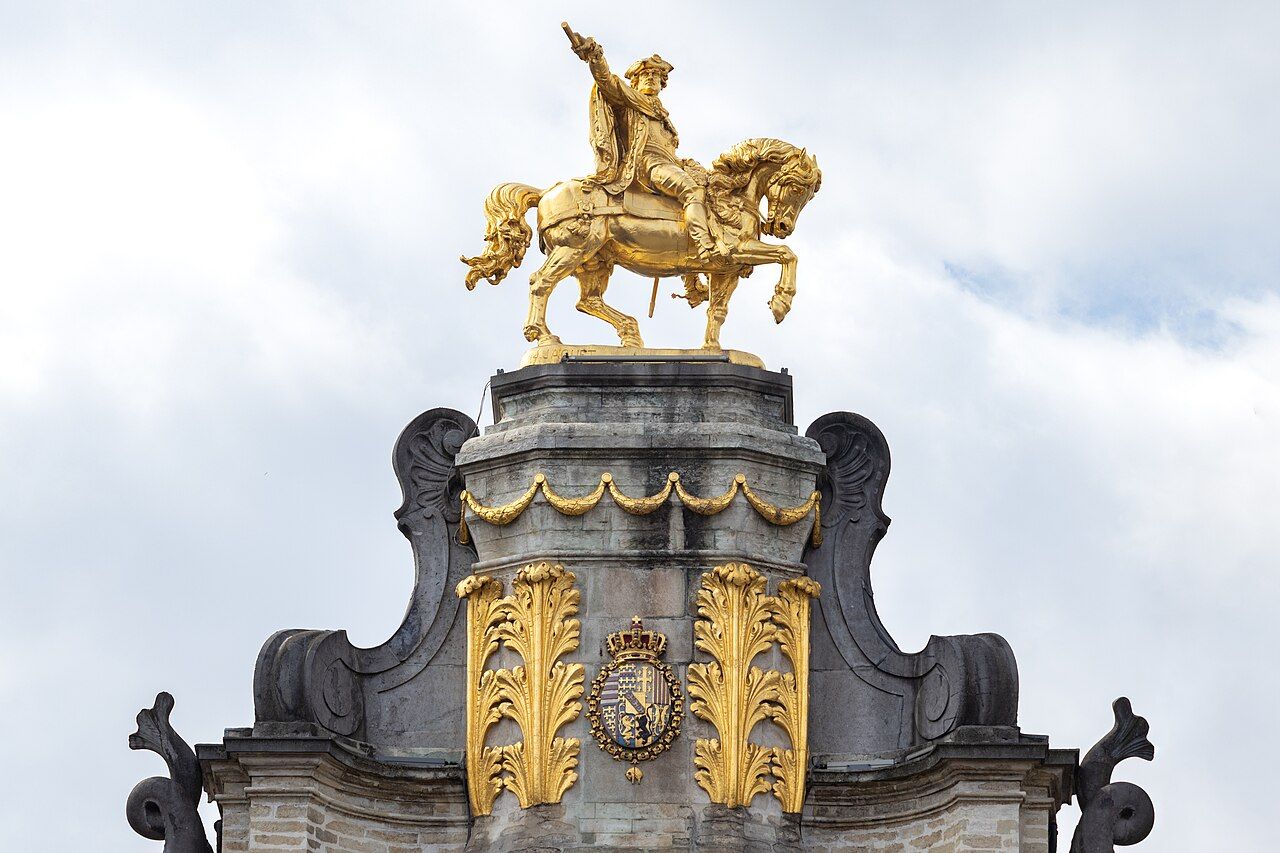
The rhythm belongs to the cooler months. Around October to April, brewing follows a season measured in air, wood and waiting. Brussels offers a different point of entry: the Grand-Place, where the brewers’ guild once held its seat.
| Part | What shapes it |
|---|---|
| Season | Roughly October to April |
| Cooling | Overnight in an open coolship |
| Aging | Wooden barrels, up to three years |
How the season moves
Begin with the cool months. Lambic is traditionally brewed only when the weather is cooler. The season runs roughly from October to April. That narrow span gives the brewing year a distinct shape. It begins in the colder part of the calendar, then closes as spring advances. The first useful step is simply to notice this rhythm. Lambic belongs to a window, not every month.
Let the wort cool overnight. Hot wort is poured into a wide, shallow, open vessel called a coolship. There it cools overnight, exposed to the air. The vessel’s broad surface makes the pause visible. This is no sealed beginning, tucked away from its surroundings. Lambic’s first turn depends on air from the Senne valley and Pajottenland. The method carries the landscape into the brewing process.
Allow wild fermentation to take hold. Wild yeasts and bacteria from the air ferment lambic. The beer therefore carries a strong tie to its region. The Senne valley and Pajottenland lie southwest of Brussels. Here, place enters not as decoration but as part of fermentation. That gives lambic a patient, local character. The process starts with exposure, then leaves room for time.
Give the lambic time in wood. Lambic is often aged in wooden barrels for up to three years. The long stay makes waiting part of the method. No extra flourish is needed to explain the interval. A barrel and a stretch of time hold the story together. The cool-season start can lead into years of ageing, well beyond the night spent cooling.
Blend young and old for gueuze. Gueuze is made by blending young and old lambic. The blend ferments again in the bottle. Its second fermentation adds another clear stage to the sequence. First comes spontaneous fermentation; later, blending; then renewed activity in the bottle. Lambic supplies the parts, while gueuze joins them into a new beer.
Follow the other lambic forms. Kriek is lambic aged with sour cherries. Faro is lambic sweetened with sugar. These names mark different paths from the same beer. The contrast is plain: cherries in one, sugar in the other. For another fruit-shaped route, Normandy's apple orchards sit in a different story altogether.
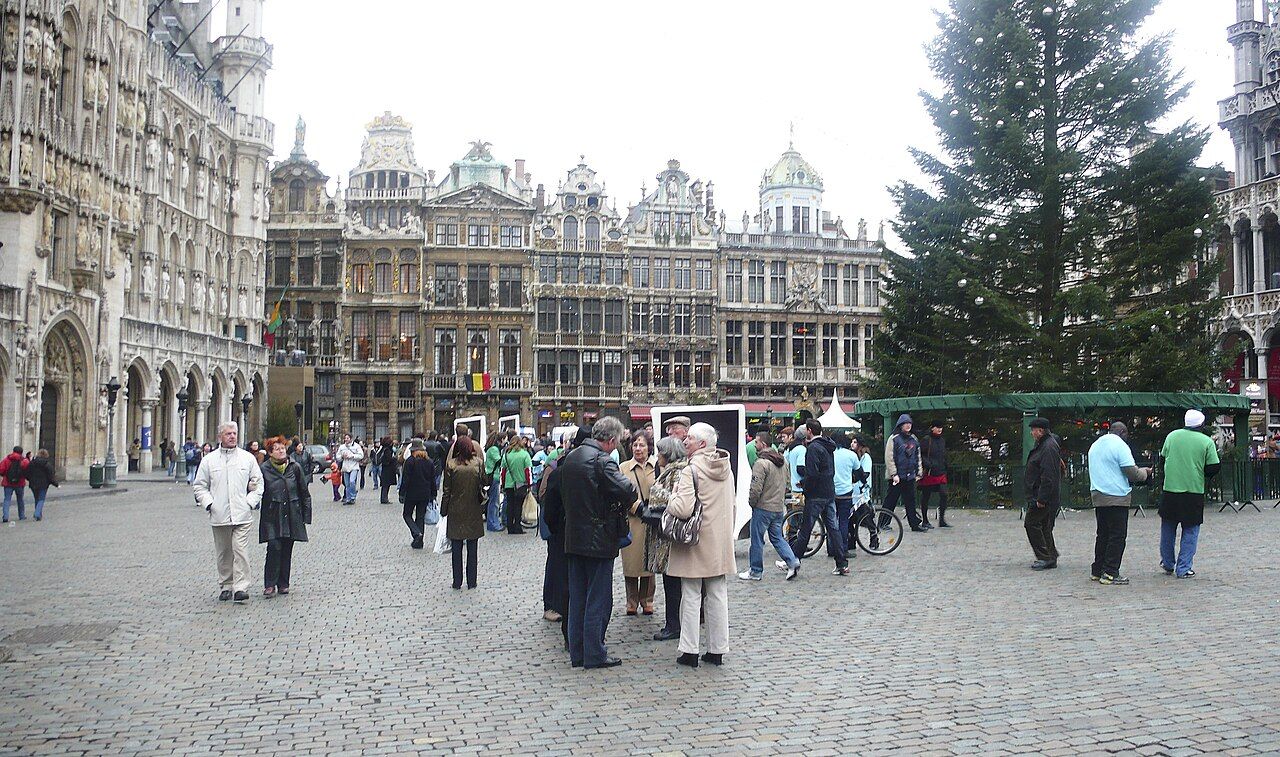
Carry the brewing story into Brussels. The Grand-Place gained UNESCO World Heritage status in 1998. The Brewers’ House there was once the seat of the brewers’ guild. It now holds a small museum of Belgian brewing. Beer culture in Belgium joined UNESCO’s list of Intangible Cultural Heritage of Humanity in 2016. The square gives the brewing story a civic address.
Return to the Pajottenland. Beersel has a moated medieval castle of brick. It offers another point on the same regional map. Lambic’s air, its cooler season and its patient ageing remain the main thread. The beer’s story moves between landscape and city, without needing a grand conclusion.
From the coolship to the guild’s old seat, lambic keeps its own pace. What might the season reveal in the next glass?
Images on this page: iMahesh (Creative Commons BY-SA 4.0); William Murphy from Dublin, Ireland (Creative Commons BY-SA 2.0); Ermell (Creative Commons BY-SA 4.0); Martin Falbisoner (Creative Commons BY-SA 4.0); MSeses (Creative Commons BY-SA 4.0).