Harvests & Festivalspoured: Chianti ClassicoItaly (Tuscany)
Vendemmia in Chianti: The Tuscan Grape Harvest
The autumn harvest moves through Chianti Classico’s hills, Greve’s funnel-shaped square, Medici history and the village festivals that welcome the grape season.
At least 80 percent Sangiovese gives Chianti Classico its defining measure. Vendemmia, the Italian word for grape harvest, usually fills September and October in Tuscany. The hills between Florence and Siena hold this autumn story.
| Harvest | Vendemmia |
|---|---|
| Usual season | September and October |
| Region | Chianti Classico hills |
Steps
Begin with the season
Start with the harvest calendar, rather than a single day. In Tuscany, vendemmia usually runs through September and October. The season gives the hills a shared rhythm, though each place tells it differently. Chianti Classico lies between Florence and Siena, its name tied to a defined wine zone. A black rooster is the wine’s symbol, a small emblem with considerable presence. The calendar's two months make a clear frame for these local traditions. The comparison with Lake Geneva's monastery-built terraces belongs to another landscape; Chianti’s hills hold this harvest.
Pause in Greve
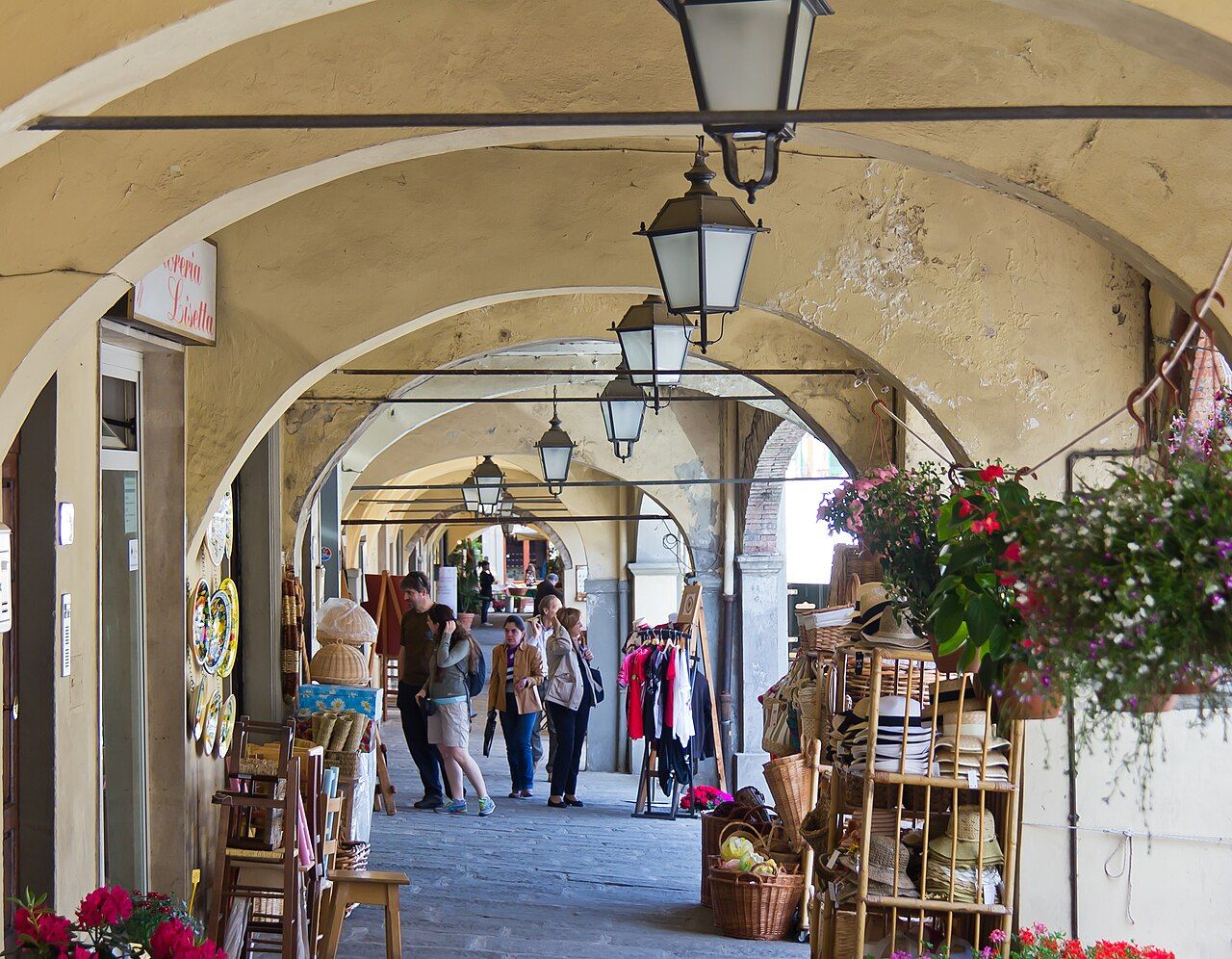
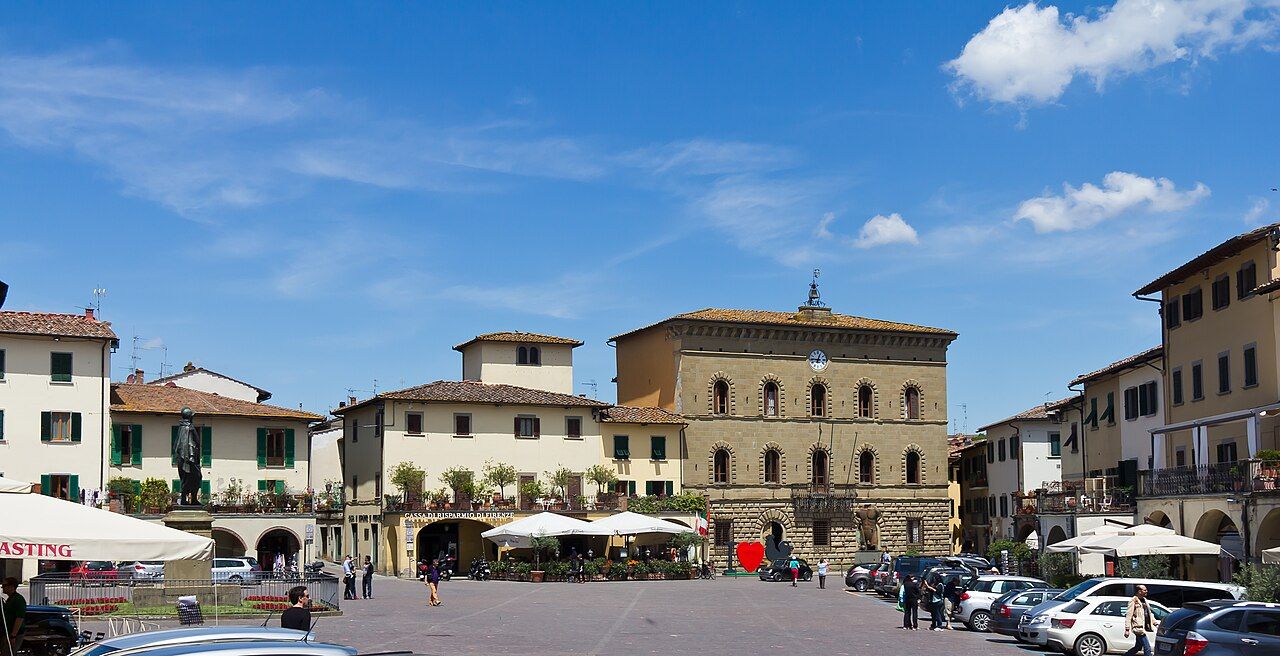
Greve in Chianti makes a natural centre for the story. Its main square, Piazza Matteotti, has an unusual funnel shape. Arcades line the square, drawing the eye toward its open middle. A statue of Giovanni da Verrazzano stands there, recalling the navigator born near Greve. The square gathers history and everyday form in one view. Its funnel shape seems to give the town’s stories a place to meet. The harvest is not only a matter of grapes; it also belongs to places where people gather.
Read the boundary
Chianti’s wine history also carries a line on the map. In 1716, Grand Duke Cosimo III de’ Medici issued an edict defining the borders of Chianti. It was one of the earliest legal delimitations of a wine zone. That boundary gives the harvest a long frame, joining the work of the season to a formal act of rule. In the hills, the black rooster stands for Chianti Classico. The wine must be made from at least 80 percent Sangiovese. Those facts make the name more than a view or a seasonal word.
Follow the festival thread
Greve’s wine fair, the Expo del Chianti Classico, takes place each September. Nearby, Impruneta has held its Festa dell’Uva on the last Sunday of September since 1926. The grape festival adds a village gathering to the harvest calendar. The two events mark different places, but both keep grapes at the centre. Castellina, Radda and Gaiole are other historic towns of the Chianti hills. Their names extend the map beyond Greve, without pulling the story away from its central square.
Leave room for the slower harvest
Vin Santo belongs to another pace of the grape story. This Tuscan dessert wine is made from grapes dried for months before pressing. Its making stretches beyond the usual harvest window, a quiet counterpoint to September’s fairs. The contrast suits Chianti: a season measured in weeks, and a wine shaped over months. From Greve’s arcades to the Medici boundary, vendemmia joins place, custom and wine. Which part of the harvest would hold the longest attention?
Images on this page: Raimond Spekking (Creative Commons BY-SA 4.0); Raimond Spekking (Creative Commons BY-SA 4.0); Raimond Spekking (Creative Commons BY-SA 4.0); Anthony Levrot (Creative Commons BY-SA 4.0).